Table of Contents
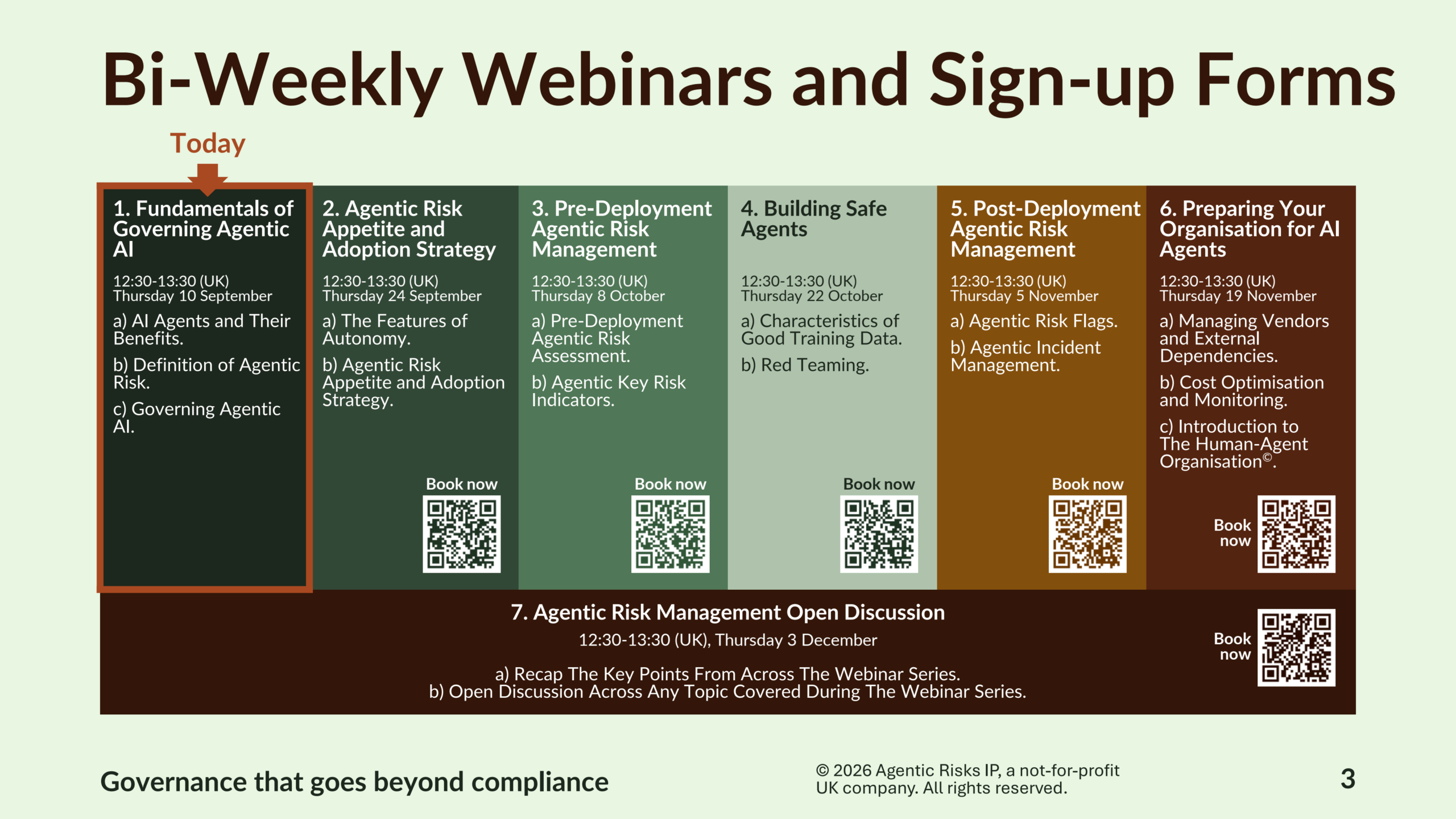
This page supports Webinar 1 of the Institute of Risk Management’s seven-part series on agentic risk management: The Fundamentals of Governing Agentic AI. It summarises where AI agents add value, why autonomy creates a new risk class, and how regulated firms should approach agentic AI governance.
Executive Summary
AI agents can plan, act and adapt across end-to-end workflows, creating opportunities for productivity, consistency and scale.
Because they can create outcomes in an organisation’s name, they also introduce a new class of risk that increases the importance of design-phase controls and machine-speed oversight.
Existing regulations, standards and model risk frameworks provide useful foundations but leave operational gaps around runtime control, evolving risk and accountability.
Effective agentic AI governance combines established disciplines with enforceable controls, continuous lifecycle oversight and governance for combined human-agent operations.
Our Agentic AI Control Design Package turns the Framework into implementable controls, while the Agentic AI Readiness Assessment identifies strategic, technical and operational, and organisational gaps.
AI Agents and Their Benefits
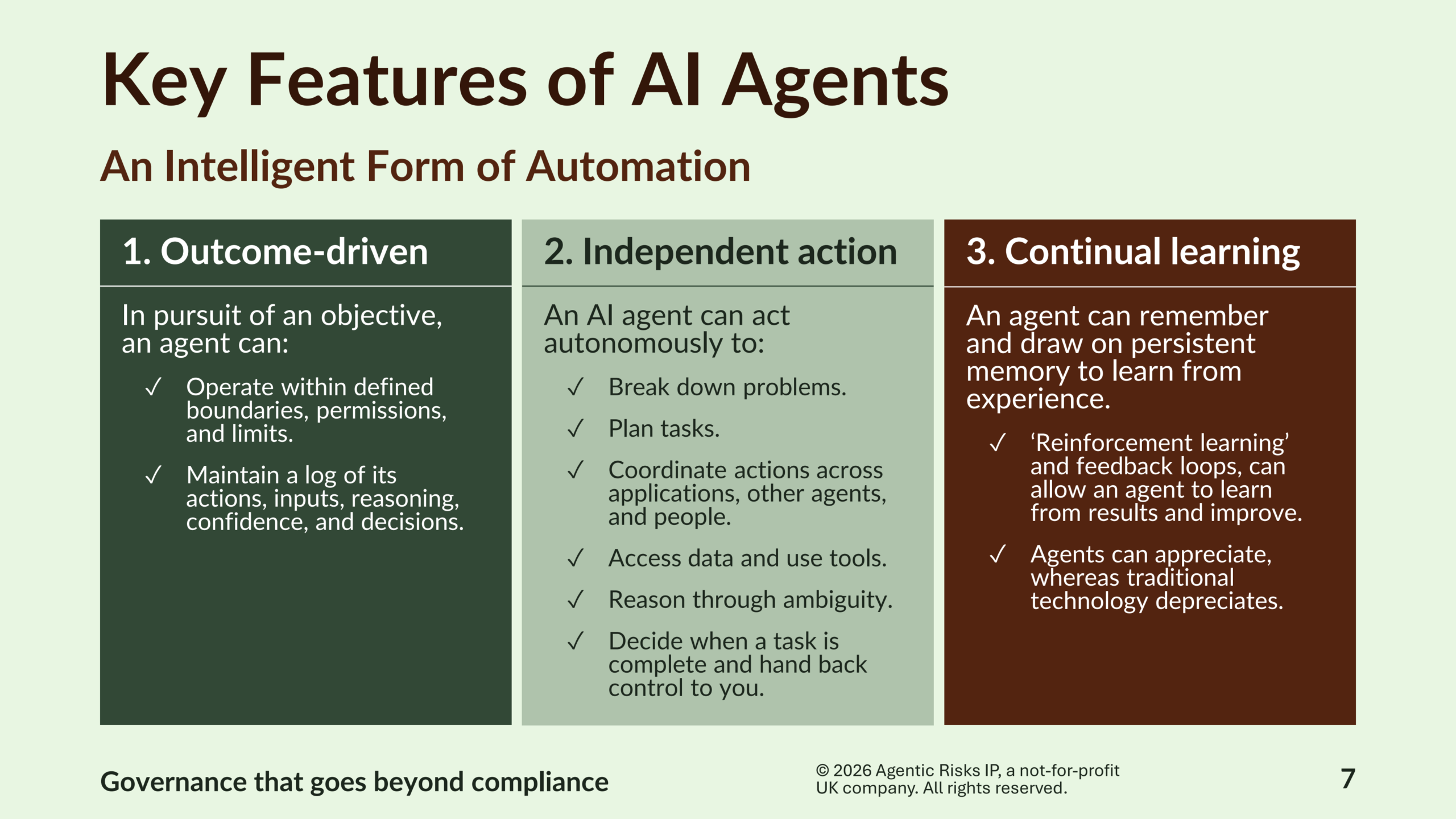
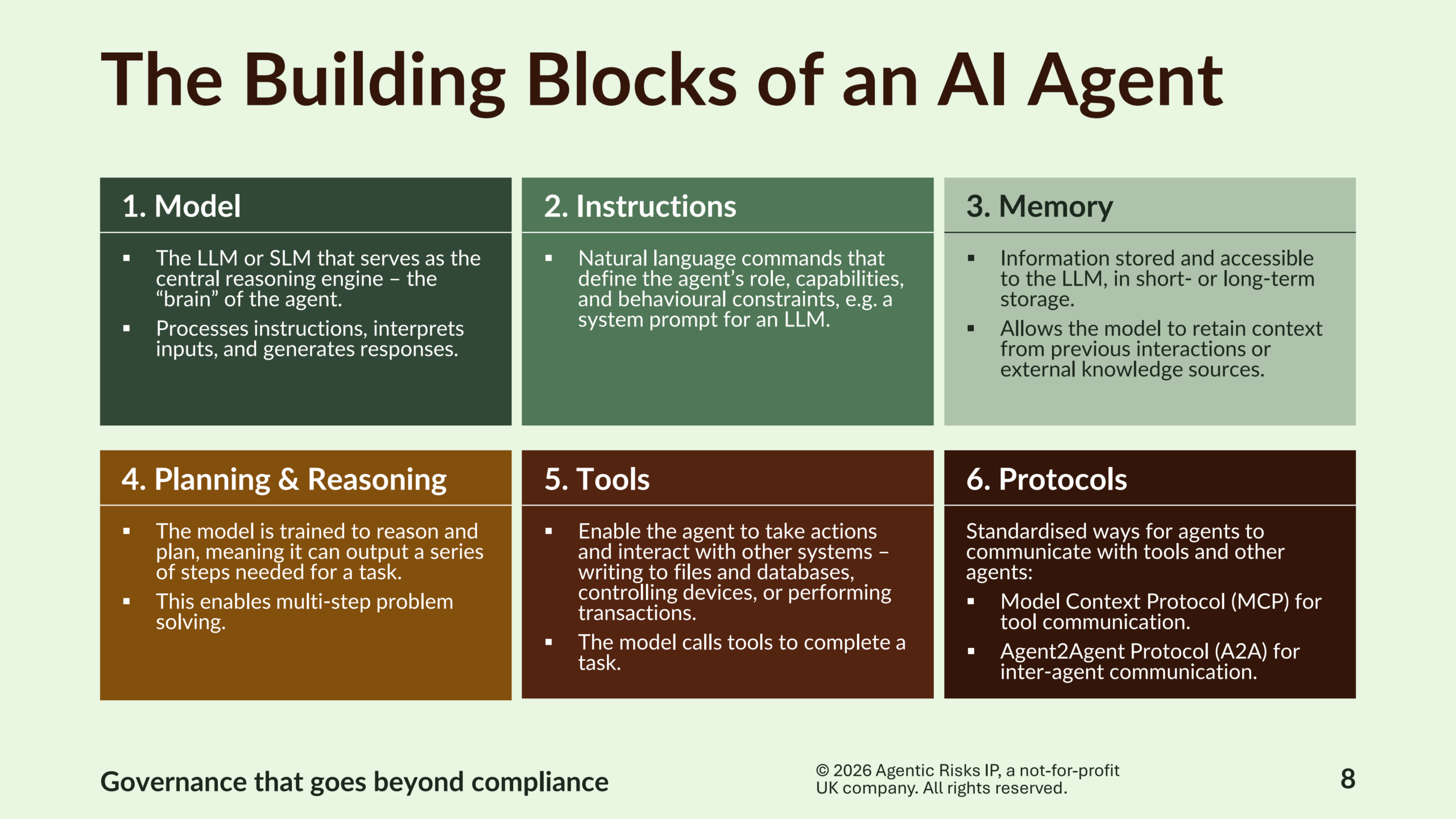
AI agents are an intelligent form of automation. They pursue outcomes within defined boundaries, plan and act across tools and systems, and can learn from memory and feedback. Their model, instructions, memory, reasoning, tools and protocols turn a language model from a content generator into an actor that can complete work.
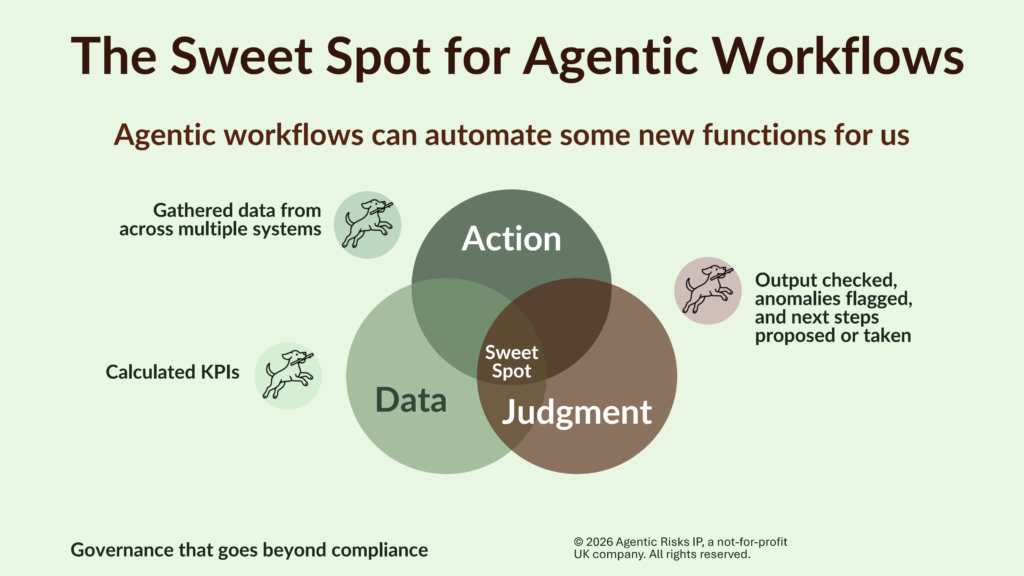
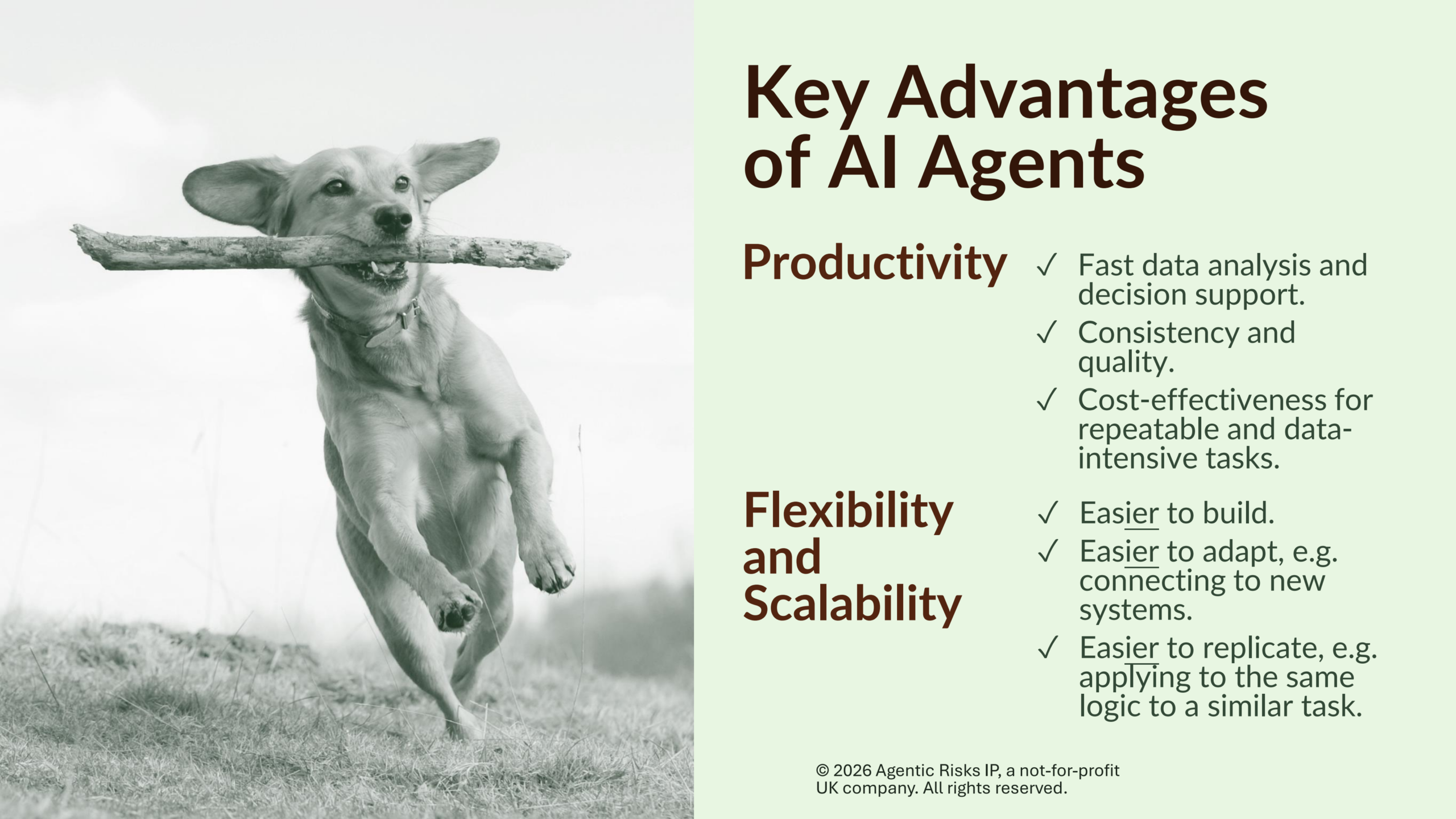
That combination can improve productivity, consistency and quality, especially in repeatable, data-intensive work. Agents can also be easier to adapt and replicate than traditional systems. Our ‘Fetch’ data-collection agent example connects to multiple systems, gathers data, calculates KPIs, flags anomalies and presents outputs for review and action.
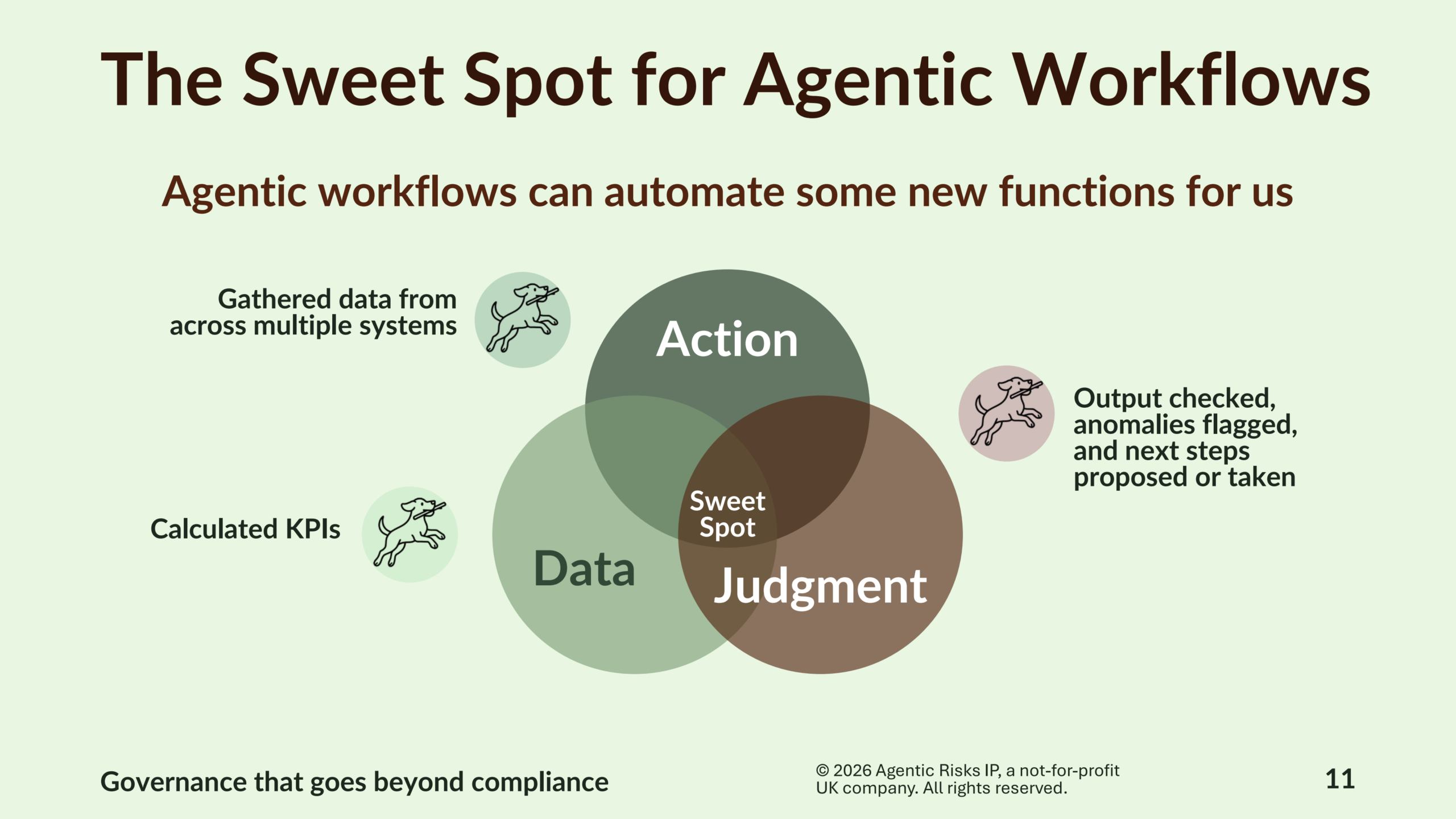
Agentic workflows add most value where work combines data, action and judgement. The opportunity for organisations is end-to-end workflow automation: gather information, decide what to do, and propose or take the next action. This is also where oversight matters most, because the agent starts exercising judgement inside the workflow.
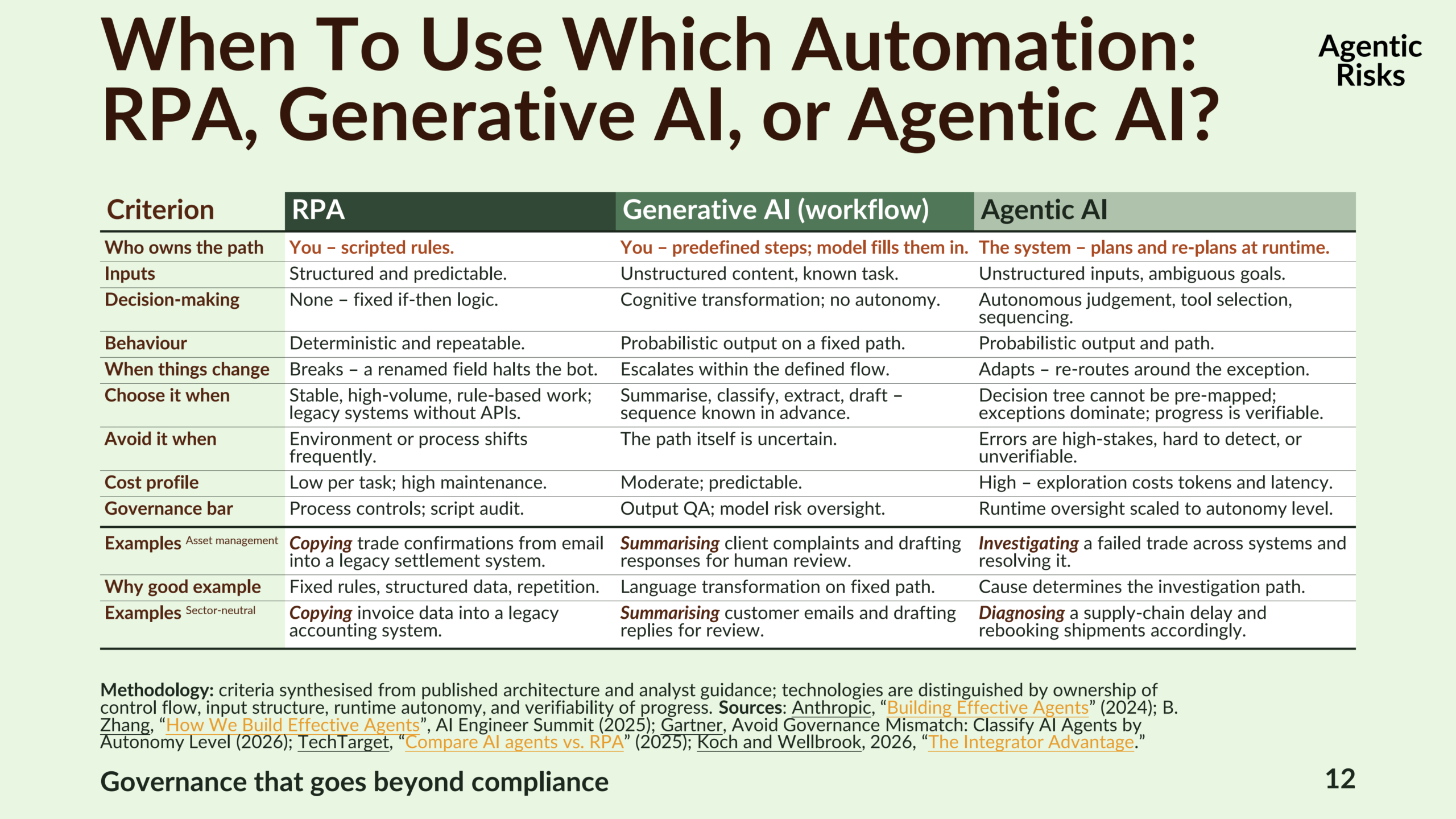
When we view agentic AI as a new form of automation, the question becomes when to use it, rather than existing forms like RPA or Generative AI. In brief, use the simplest automation suited to the job:
- RPA works when rules and inputs are stable.
- Generative AI works when the path is known but the content requires cognitive processing.
- Agentic AI earns its extra cost and governance burden when the path cannot be mapped in advance, exceptions drive the workflow and progress can be verified at runtime.
For the full comparison table, download the slides.
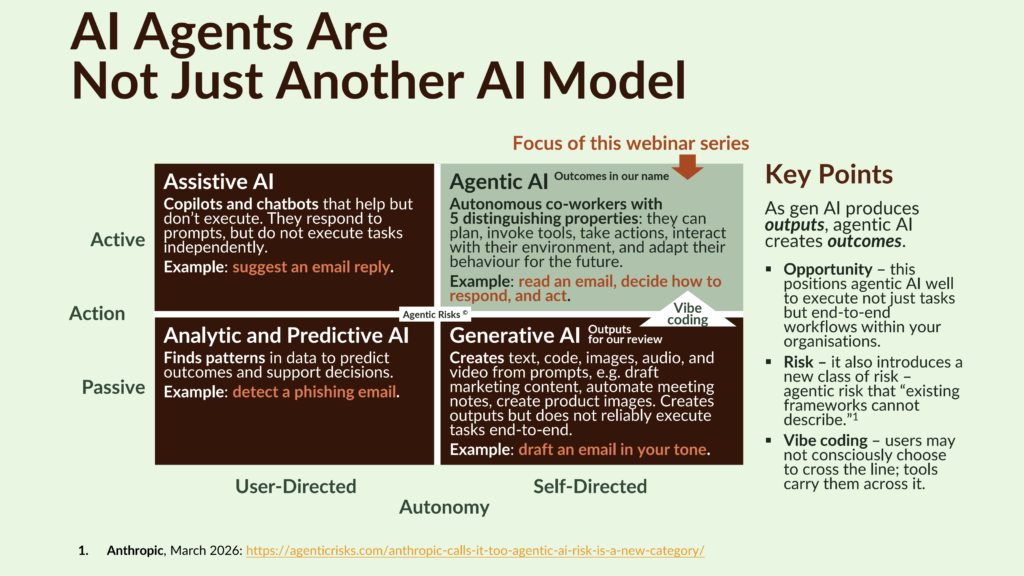
Agentic Risk Management as a New Risk Class
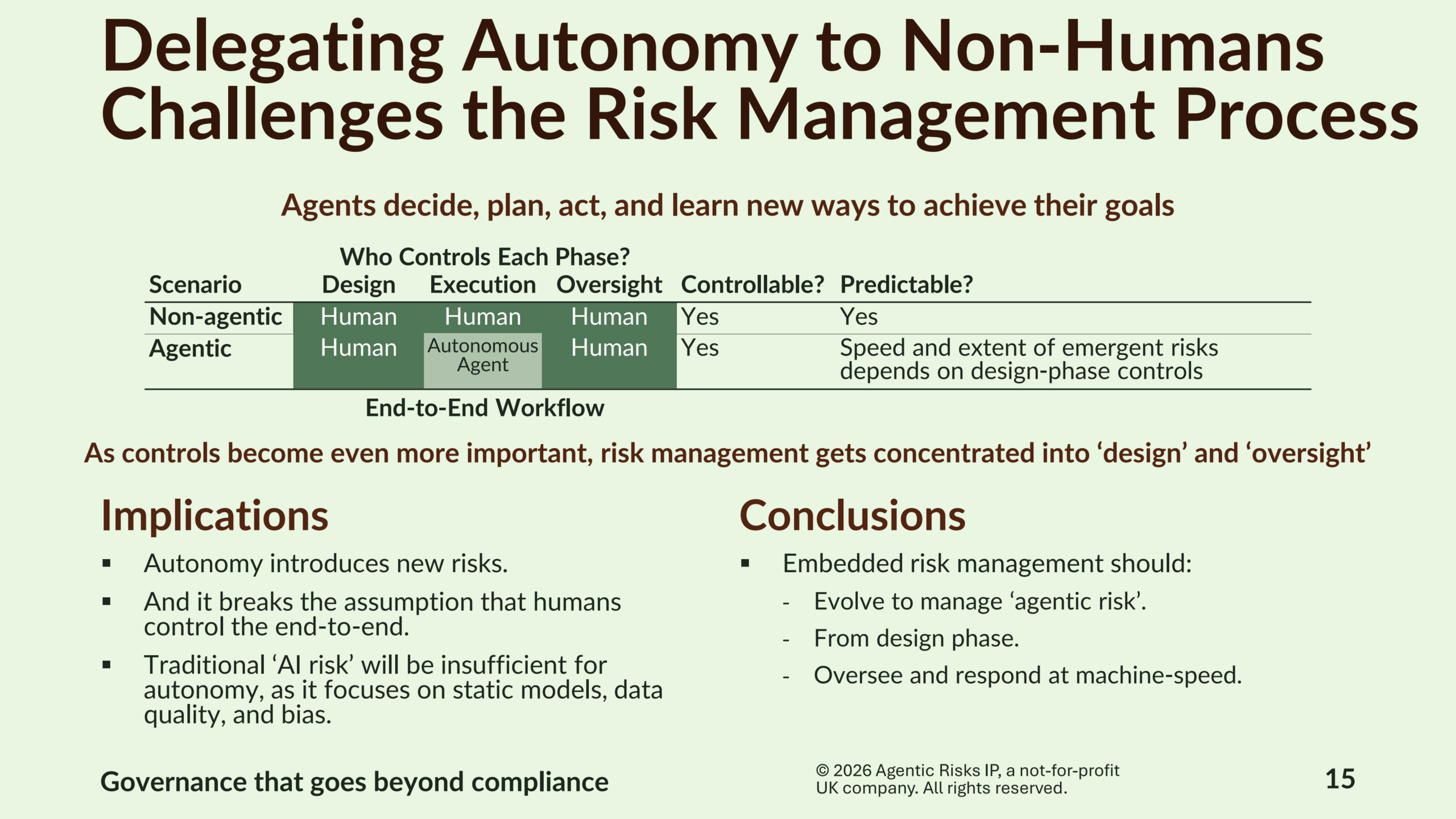
Delegating execution to an AI agent changes the risk-management process. In a conventional workflow, humans design, execute and oversee the work. In an agentic workflow, the agent executes: it decides, plans, acts and can adapt. Risk management therefore depends more heavily on design-phase controls and machine-speed oversight.
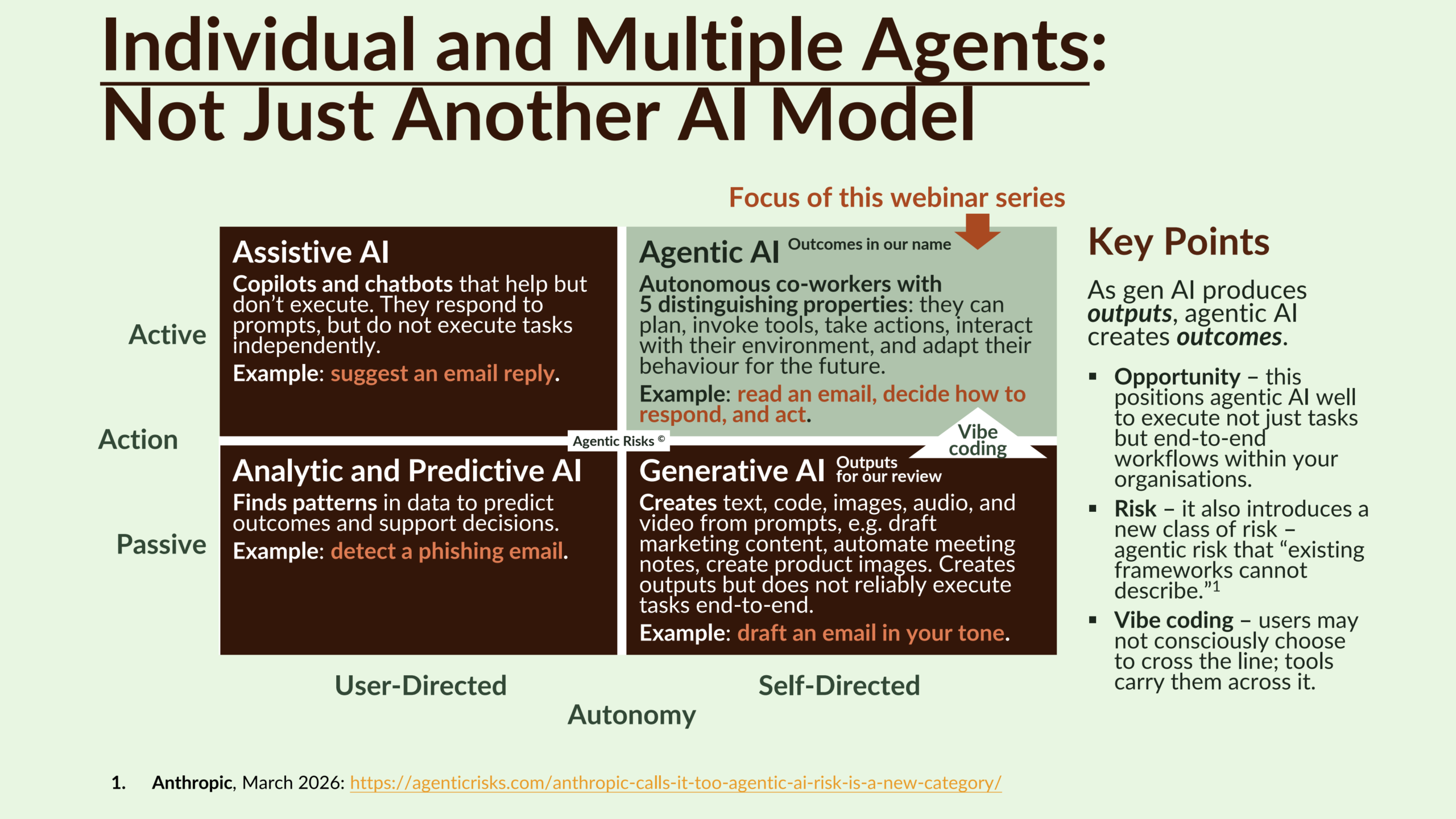
The key distinction is that generative AI usually produces outputs for a person to review, while agentic AI can create outcomes in the organisation’s name. Behaviour can drift as prompts, data or context change; probabilistic reasoning can reach a plausible result through flawed logic; and agents can interact or replicate in ways users did not anticipate.
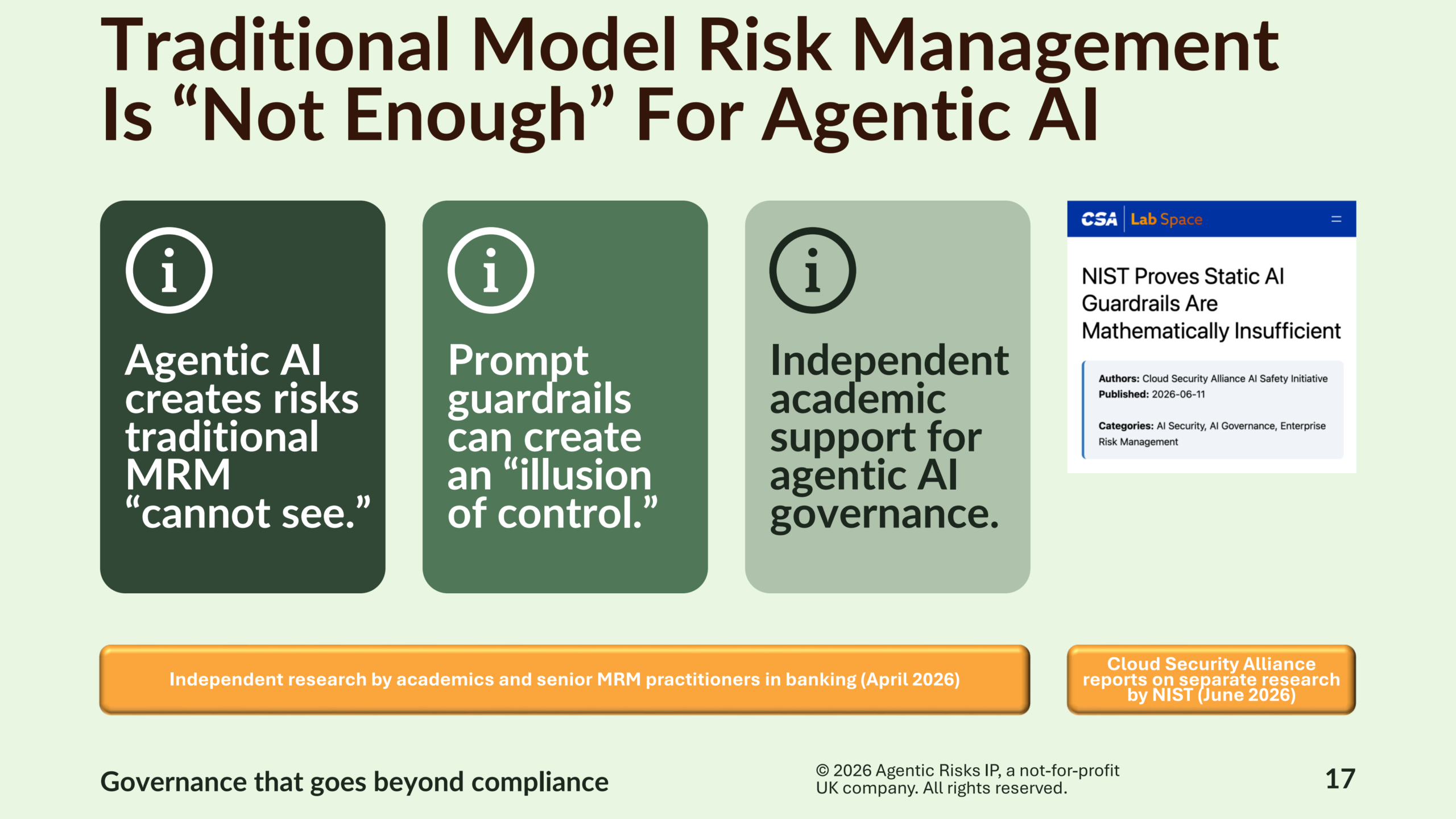
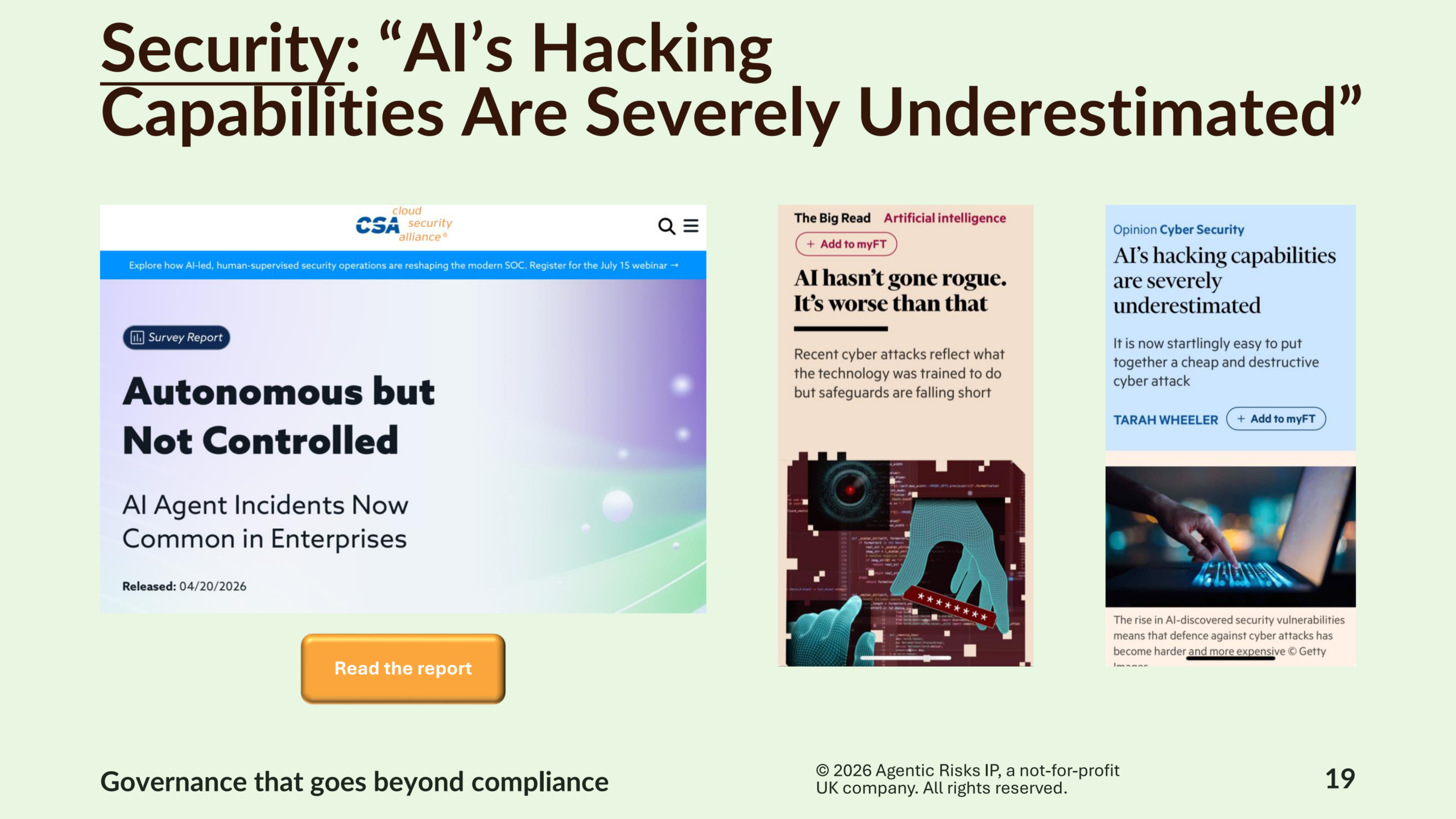
Traditional model risk management was designed for more stable input-output systems. The webinar cites independent academic and model-risk research showing that prompt-based verification can create an “illusion of control” when the verifier shares the same probabilistic weaknesses as the system it checks, while the Cloud Security Alliance’s note on continuous AI monitoring found that no finite set of AI guardrails can be universally robust against adversarial prompts.

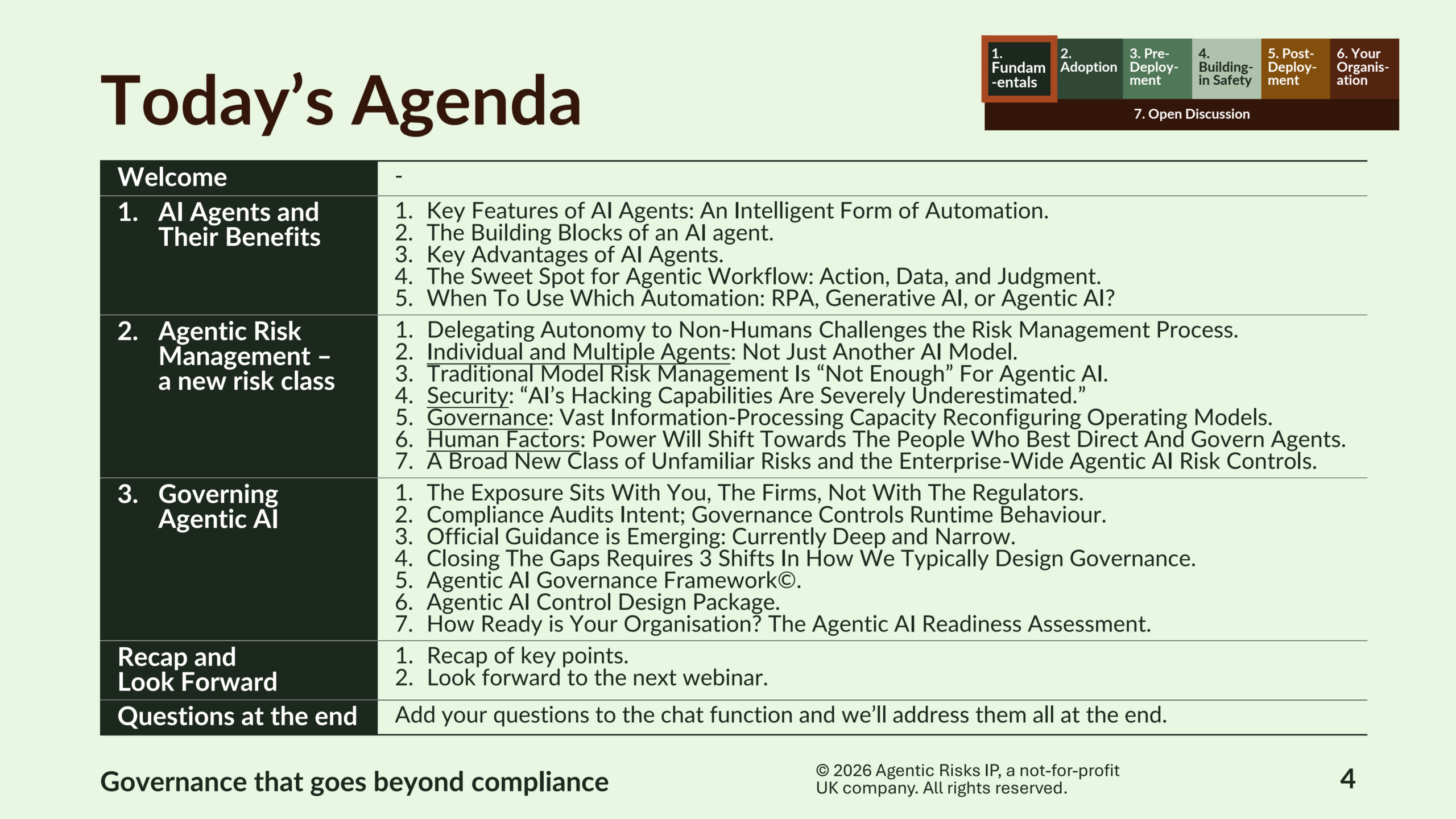
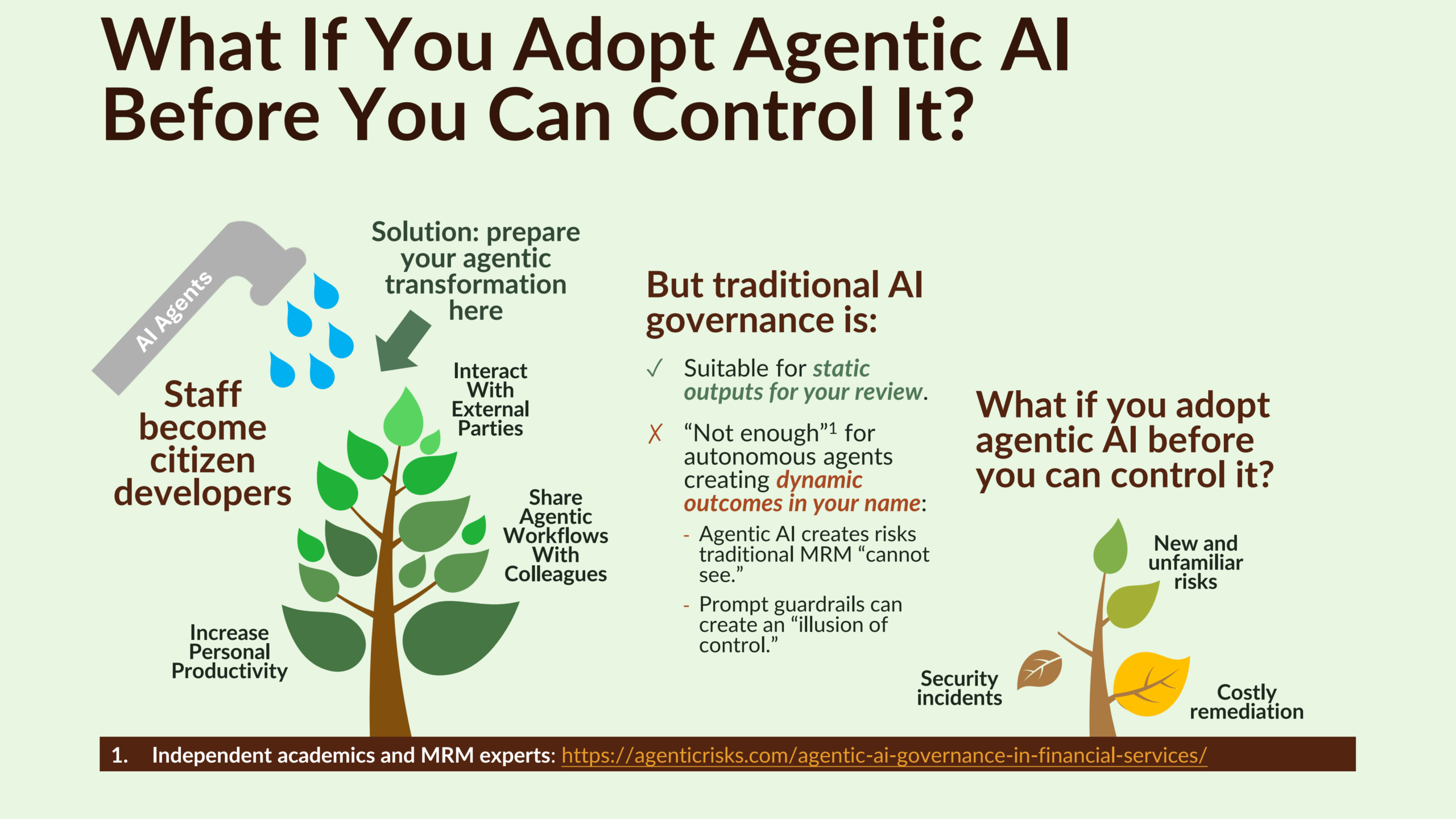
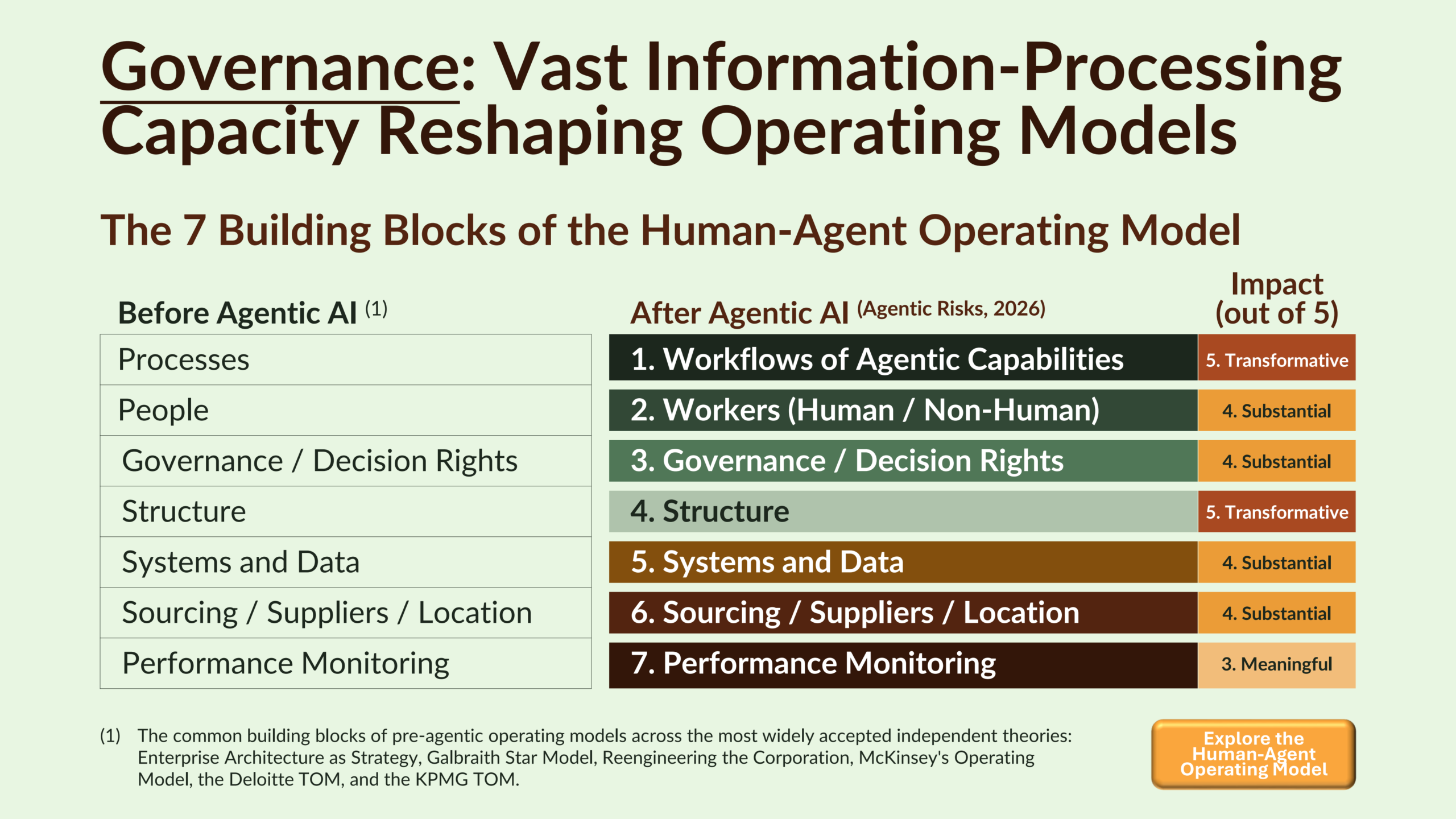
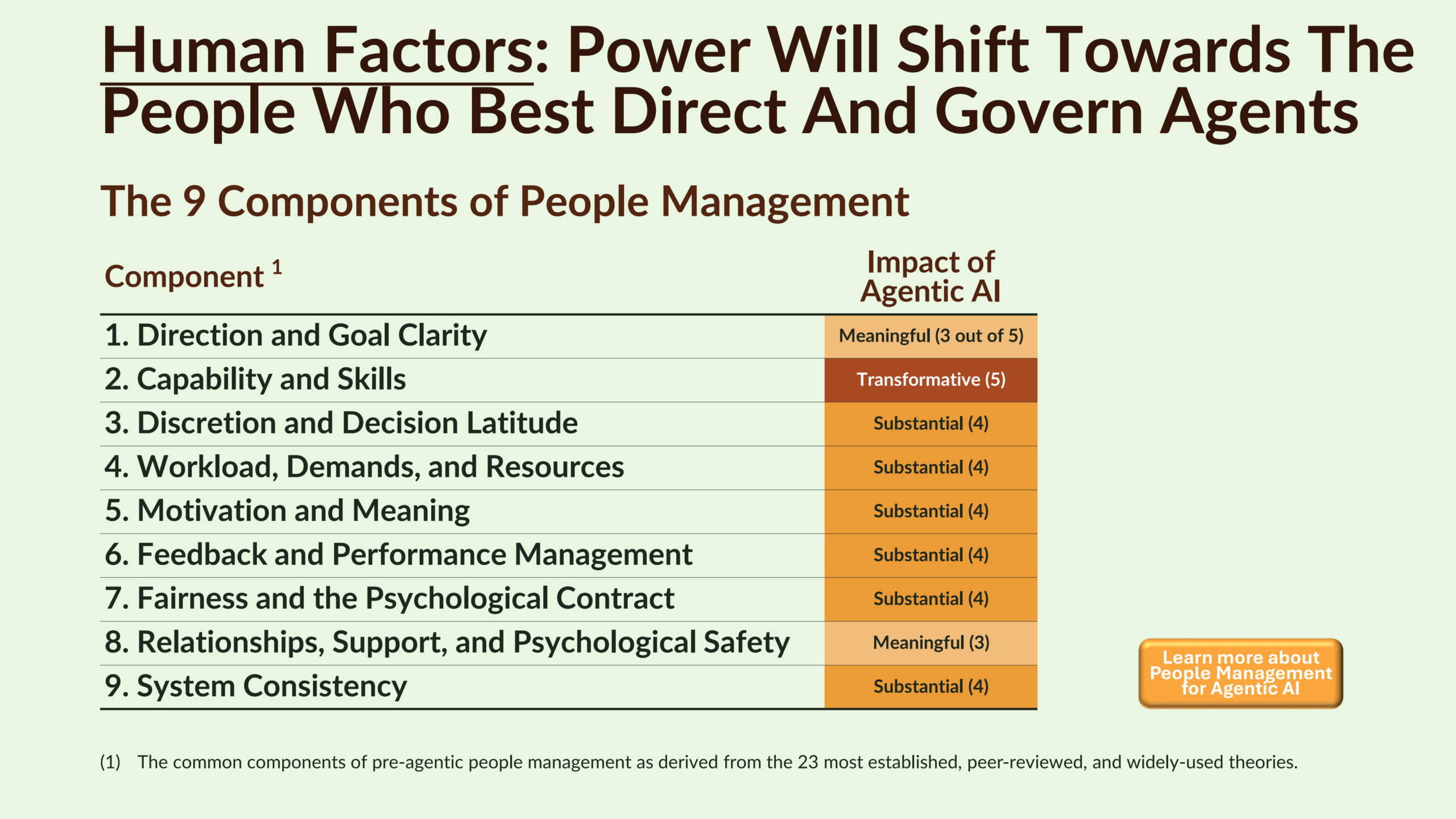
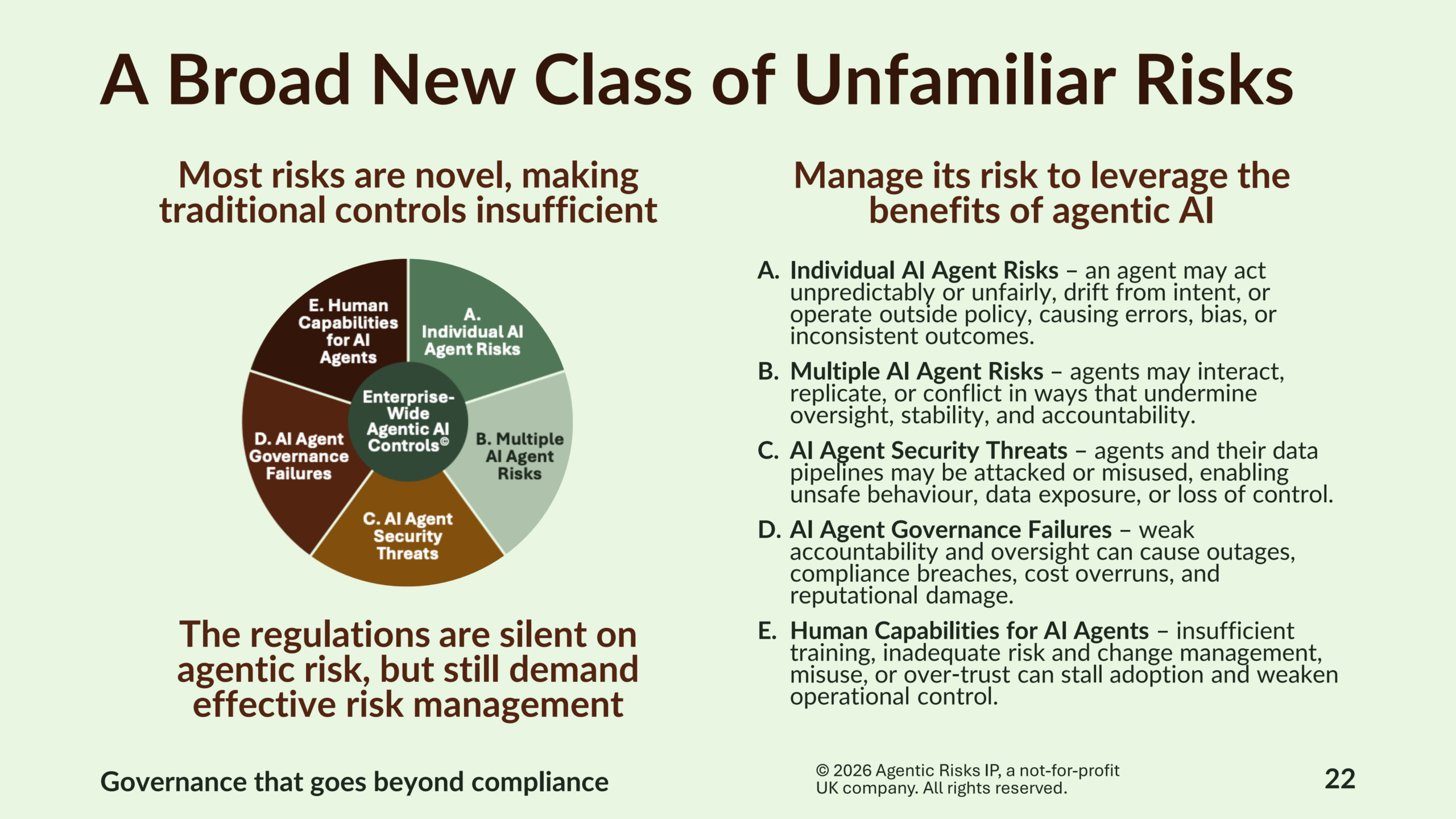
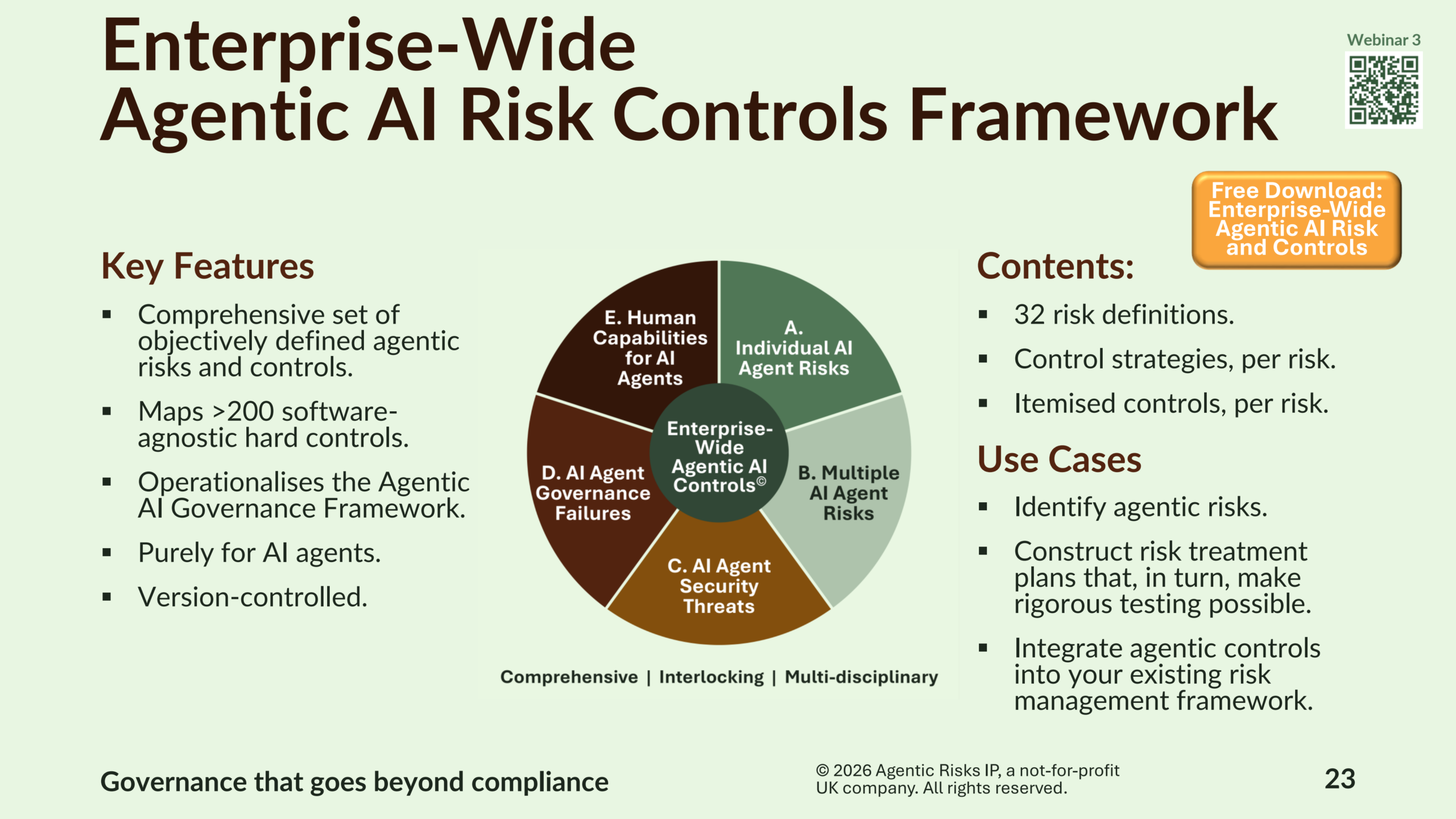

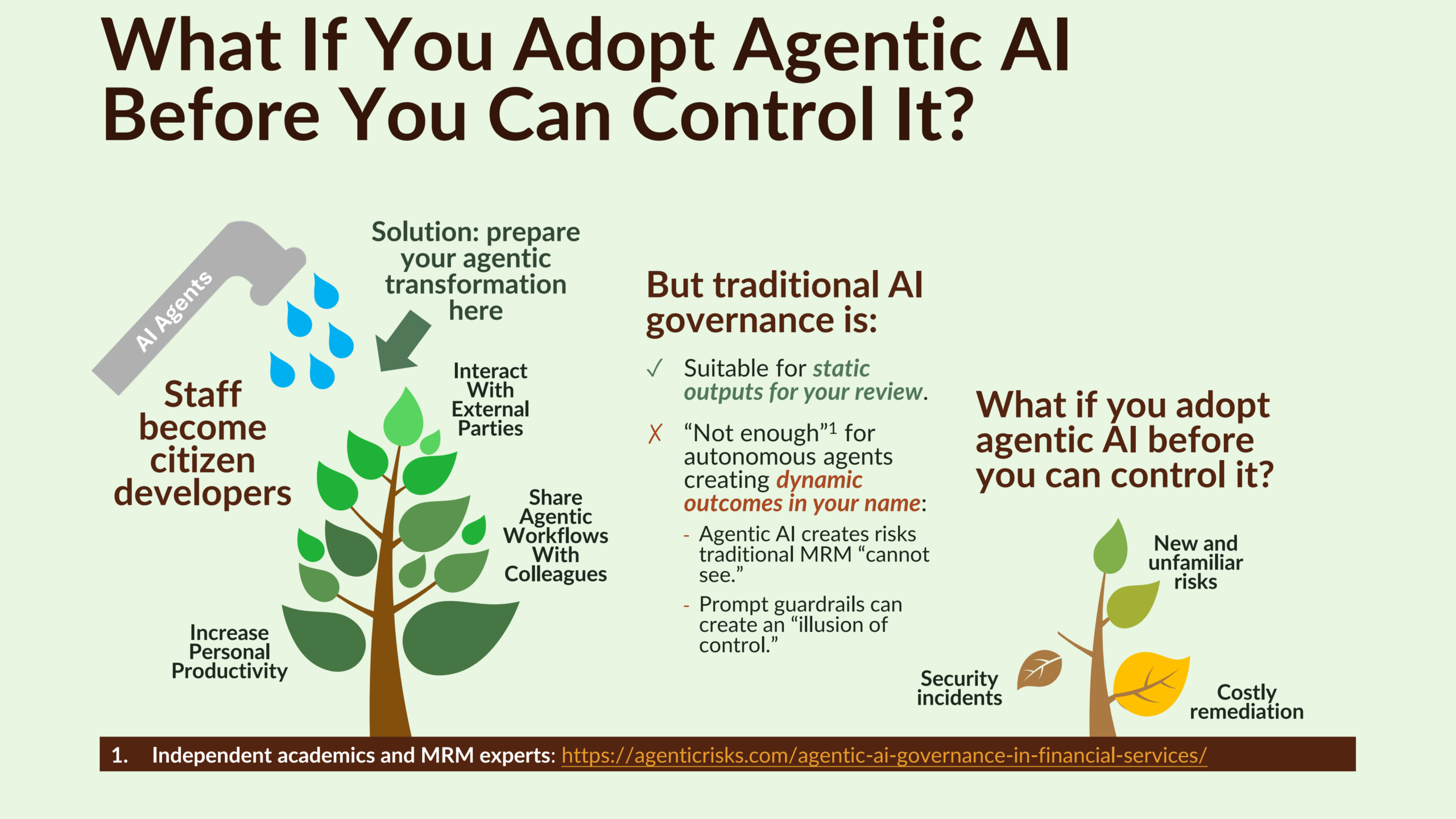

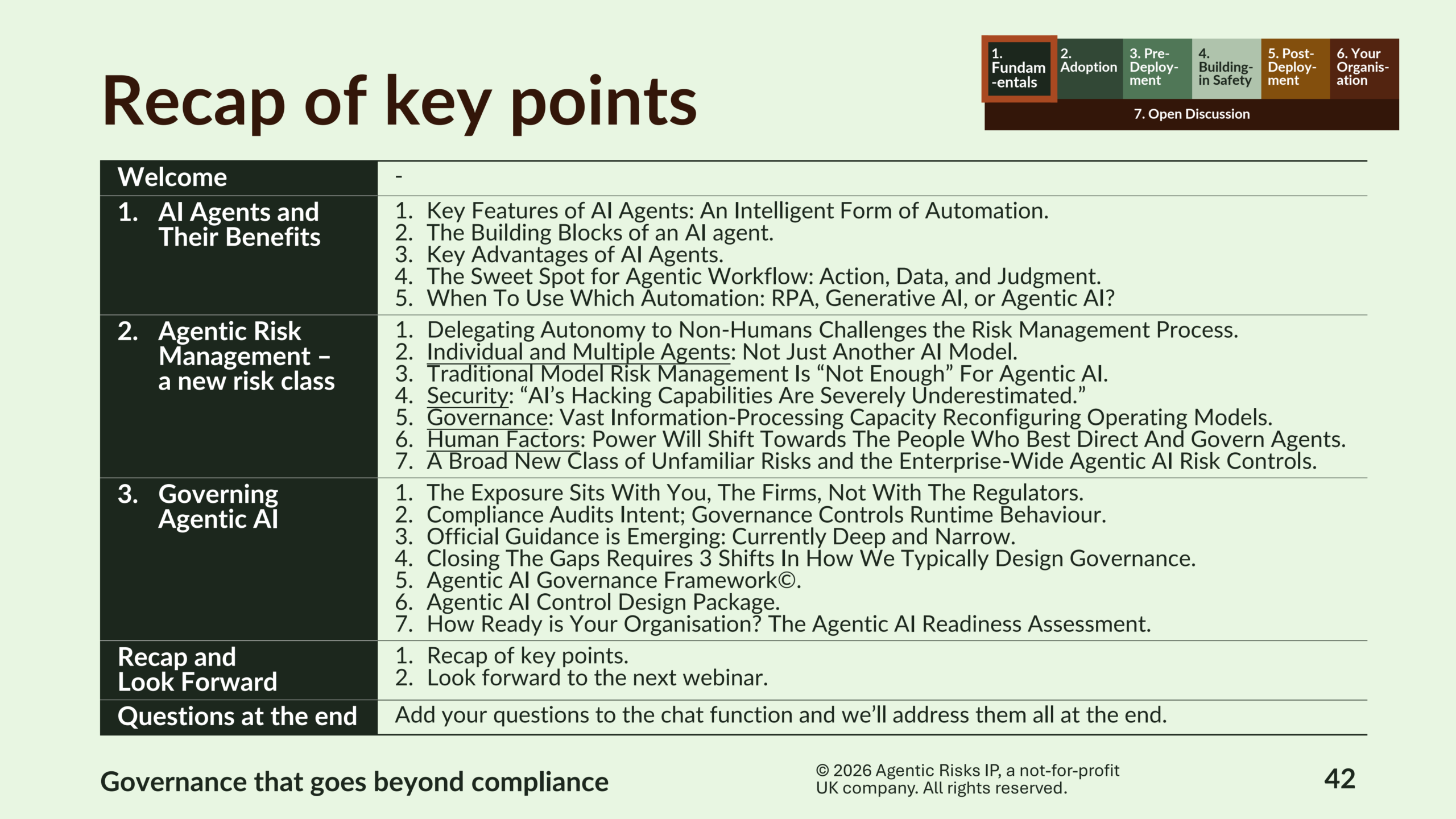

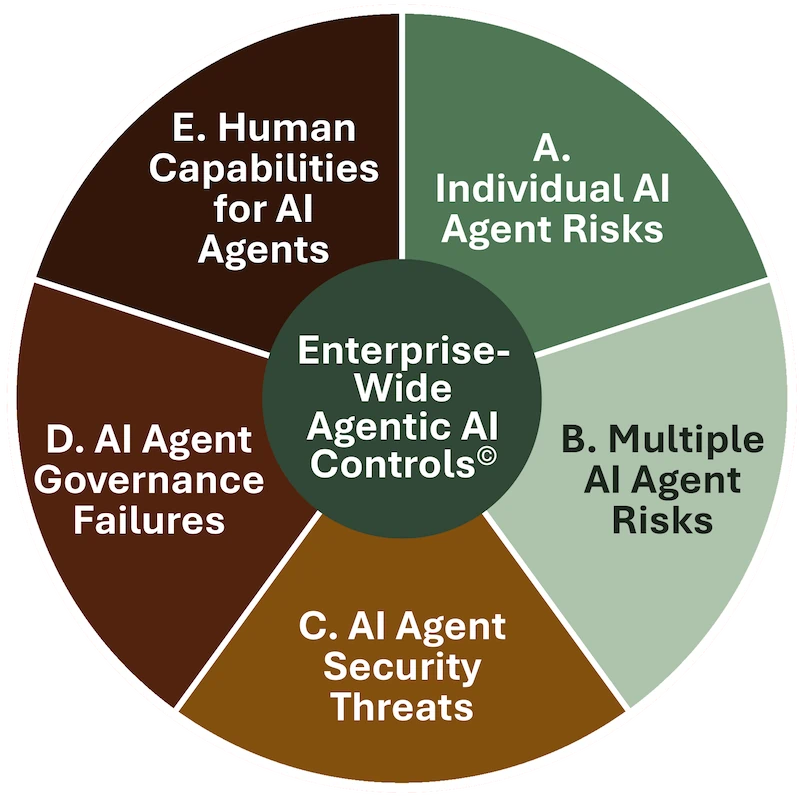
At enterprise level, the exposure spans five broad categories: individual agent behaviour, interactions among multiple agents, security threats, governance failures and human capabilities. The Enterprise-Wide Agentic AI Risk Controls Framework translates these into 32 defined risks and over 250 software-agnostic controls, helping firms identify risks, build treatment plans and integrate agentic controls into existing risk frameworks.
The effects also reach beyond technology: agents reshape operating models and separate what people produce from what they remain accountable for, making organisational design, skills and human oversight part of risk management.
Security evidence shows these risks are already operational. Cloud Security Alliance research on enterprise AI-agent incidents reports agent security incidents and shadow agents across many organisations.
Governing Agentic AI
Governance That Goes Beyond Compliance
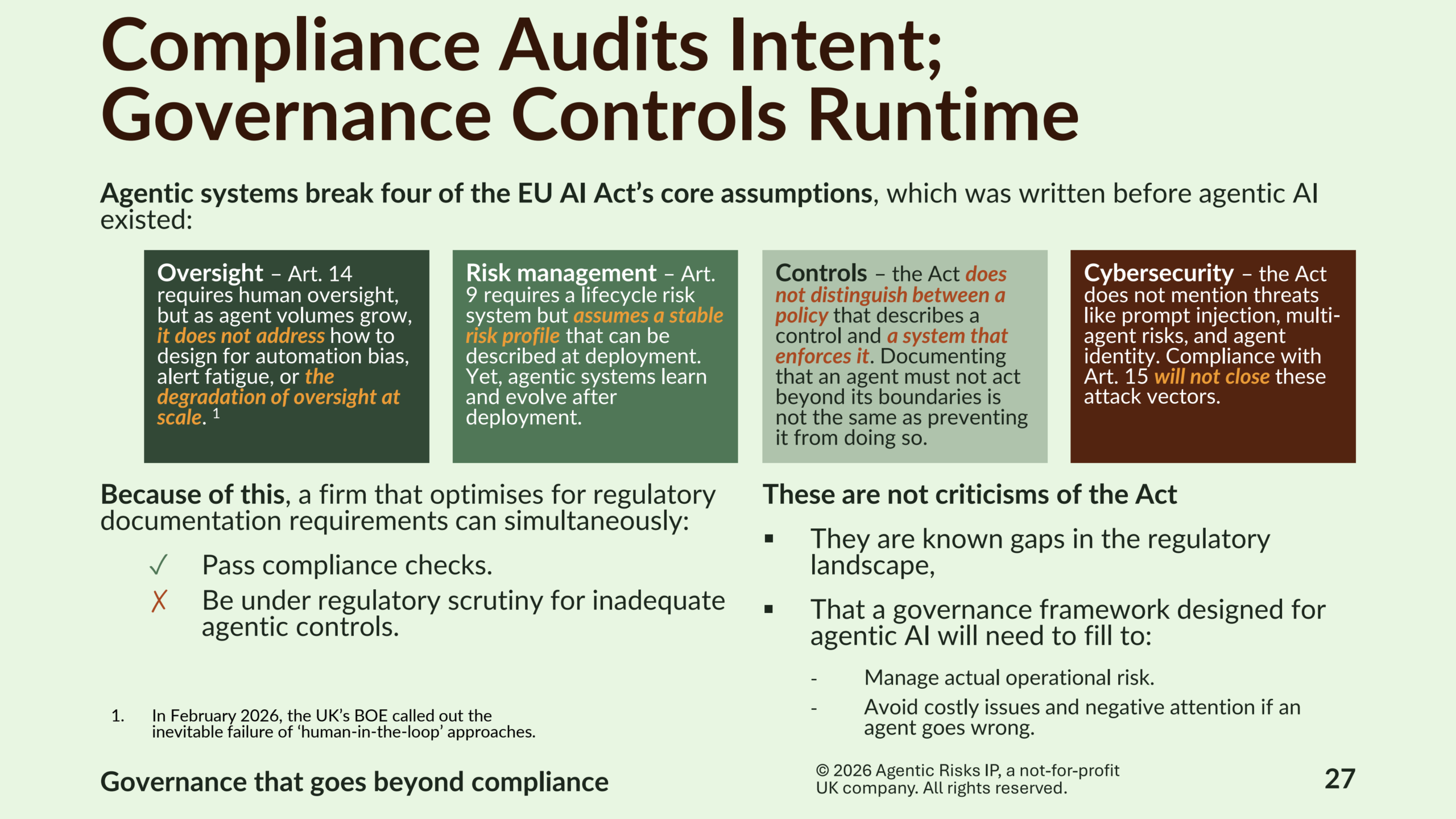
The webinar also stressed that compliance and governance do different jobs. Compliance can confirm that policies, risk processes and evidence meet external obligations and standards. Governance must also control runtime behaviour: scale human oversight, adapt as agent risk changes, enforce boundaries before action and address agent-specific attack vectors.
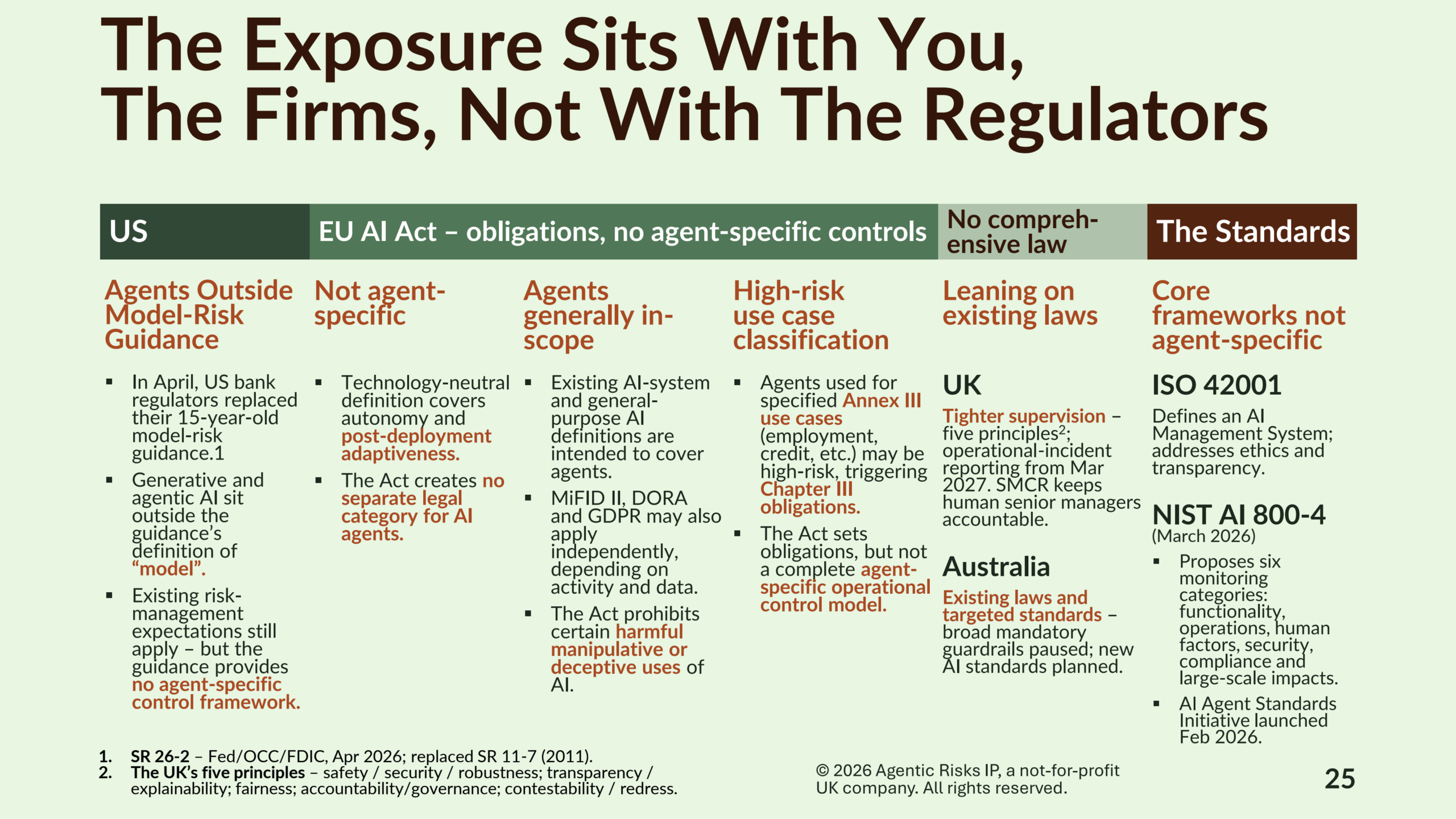
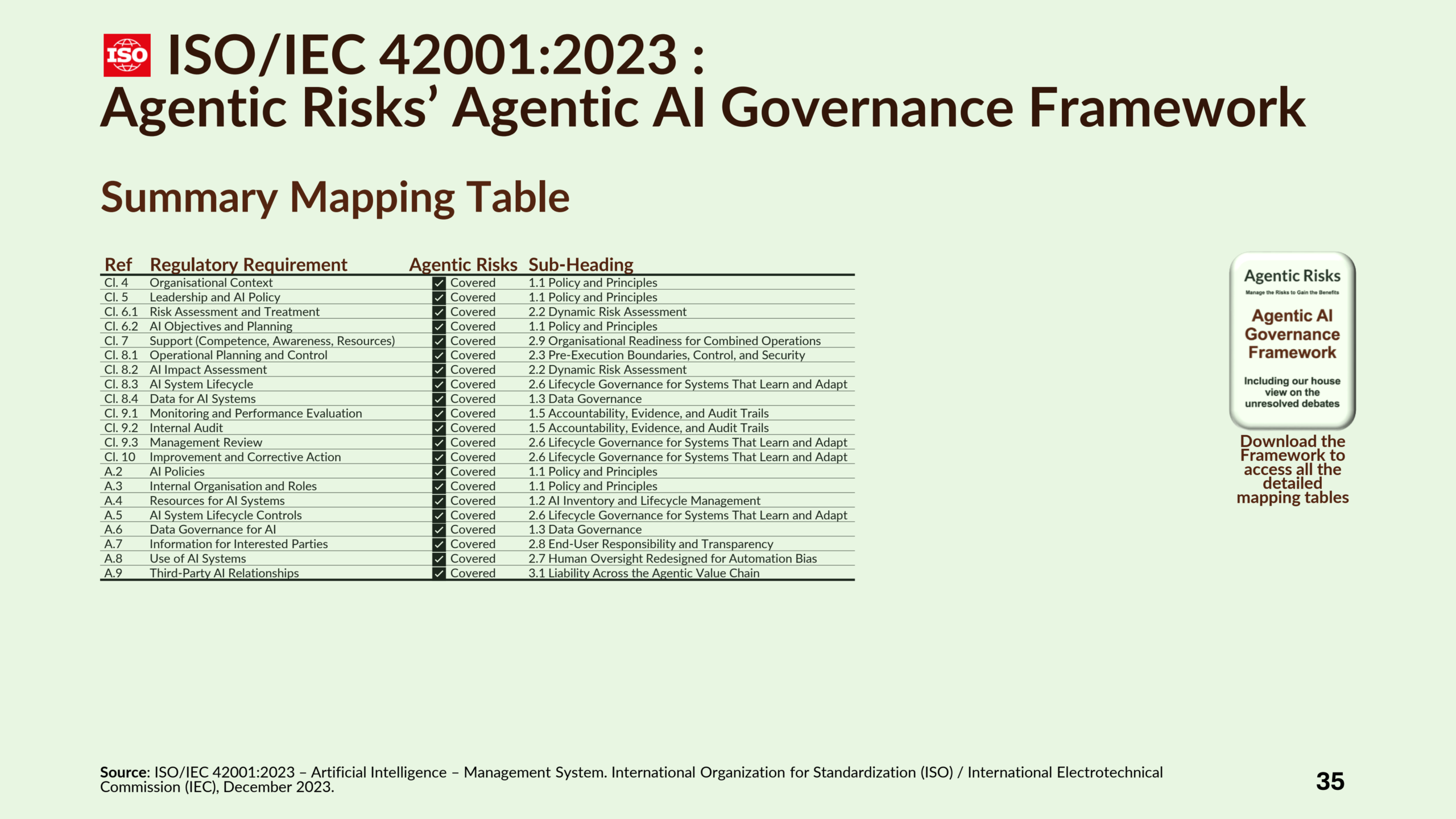
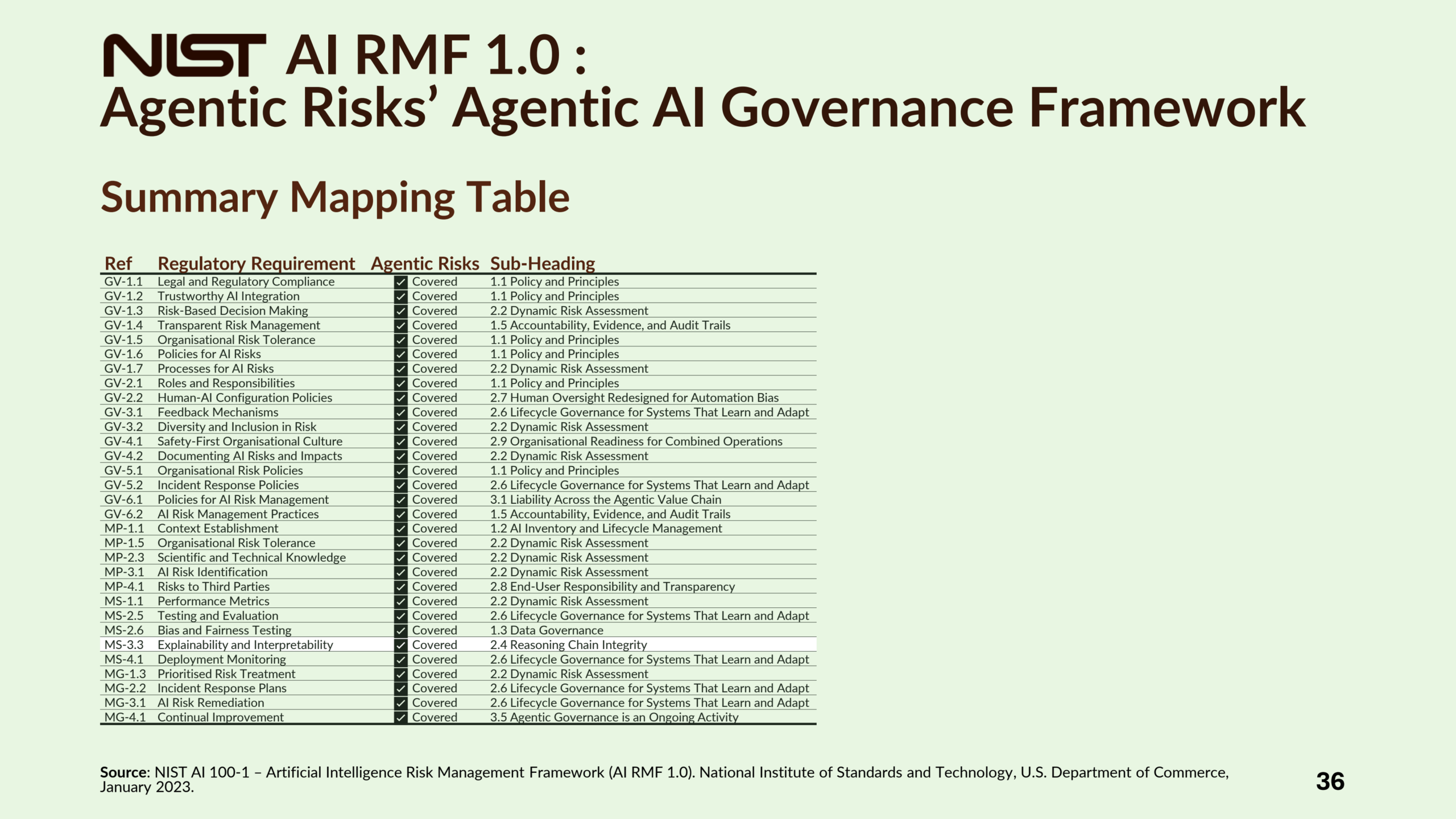
Looking first at compliance, current laws and standards set useful expectations, but most are not agent specific. The EU AI Act covers agents through its AI-system definition; UK, US and Australian regimes rely heavily on existing rules; and ISO 42001 and NIST provide management and monitoring structures rather than a complete agent-specific control model.
Firms therefore still need operational controls for autonomous behaviour, meaning that governance must translate external expectations into controls that work when agents act.
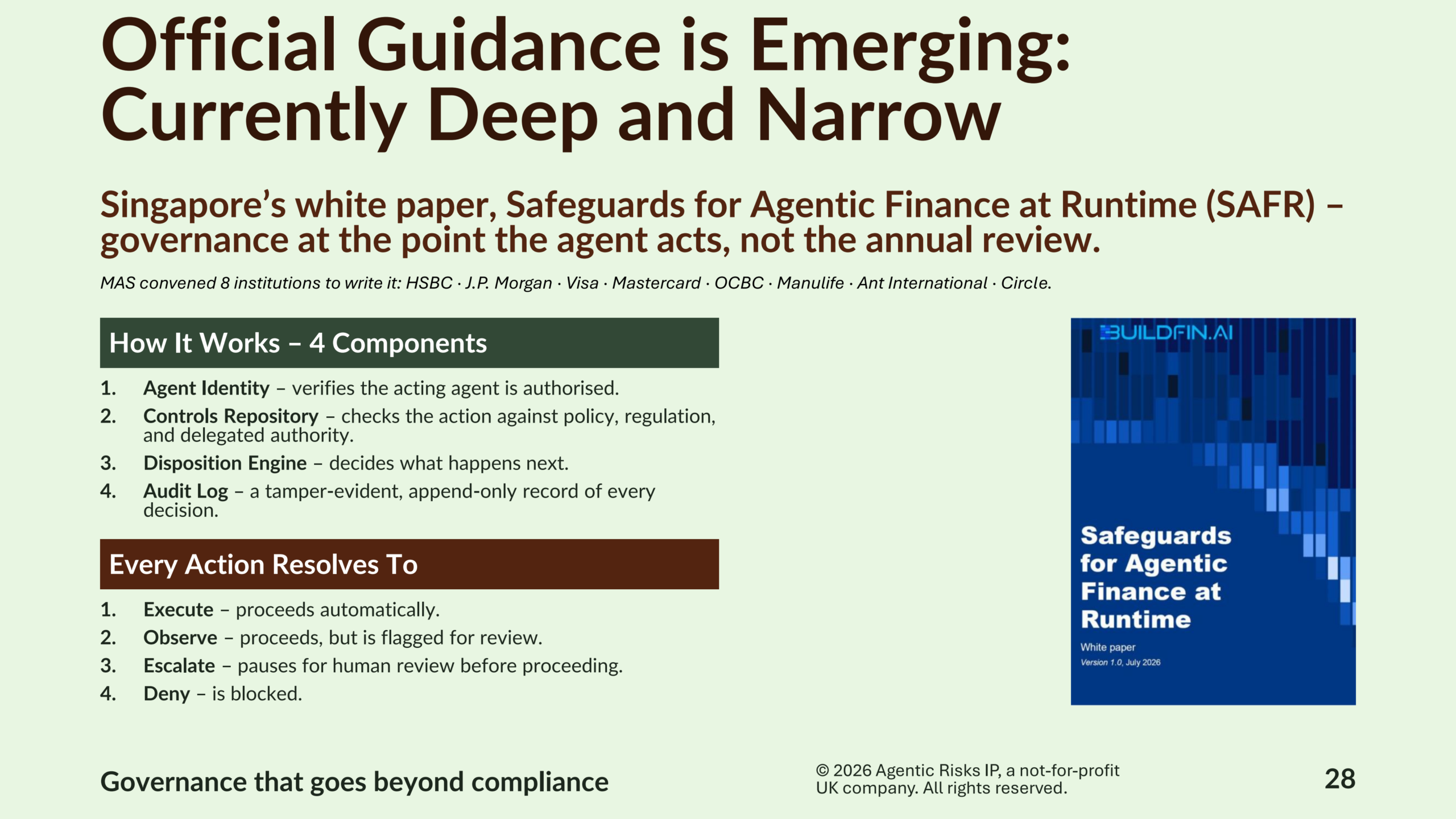
Emerging guidance is moving in that direction. Singapore’s Safeguards for Agentic Finance at Runtime applies controls at the point of action: verify agent identity, check the proposed action against policy and delegated authority, decide whether to execute, observe, escalate or deny it, and record the decision in a tamper-evident log. Runtime control forms one part of the wider agent lifecycle.
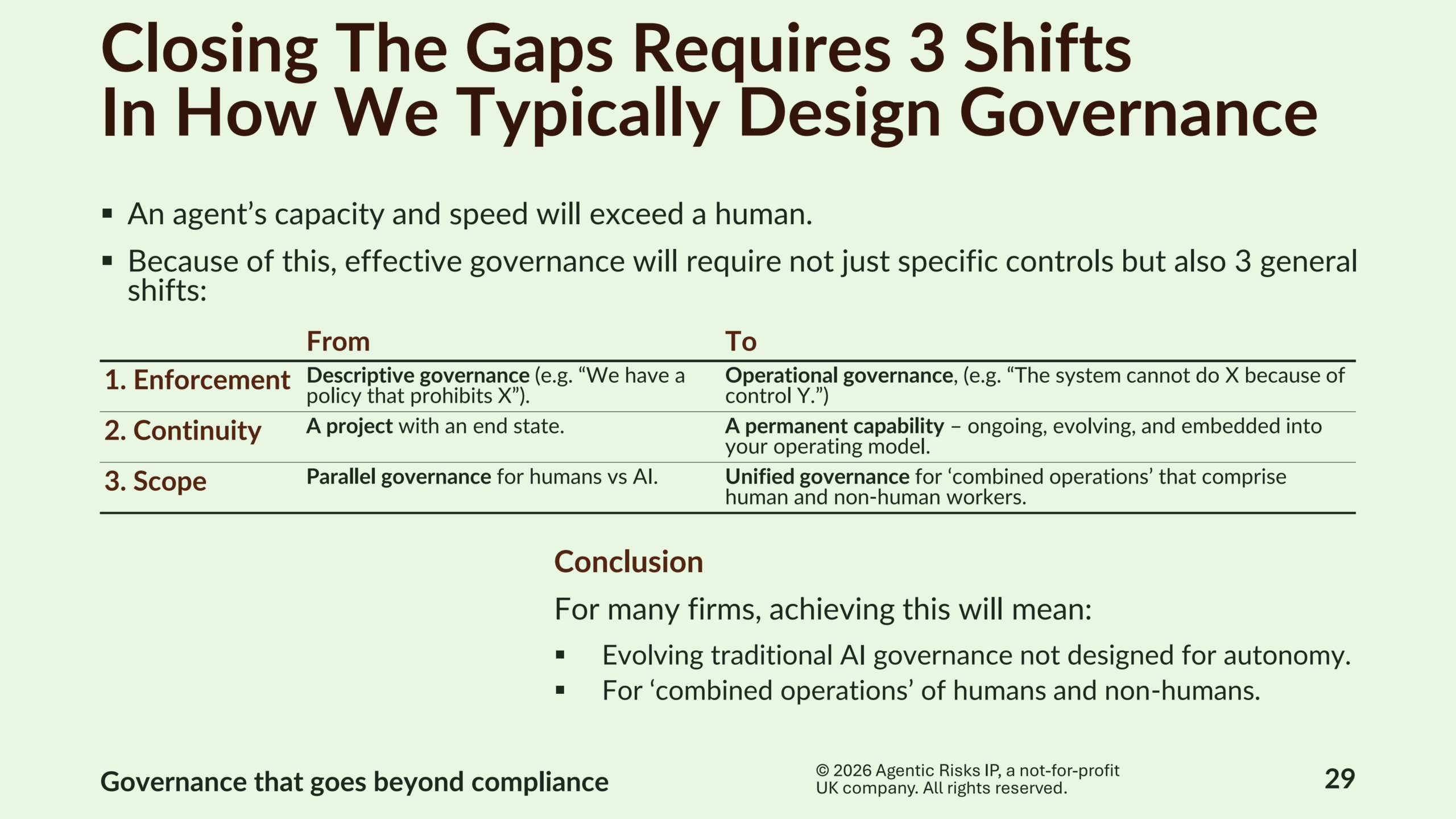
Effective agentic AI governance therefore requires three shifts: from descriptive policies to operational, machine-enforceable controls; from a project to a permanent capability; and from separate governance for humans and AI to unified governance for combined operations of human and non-human workers.
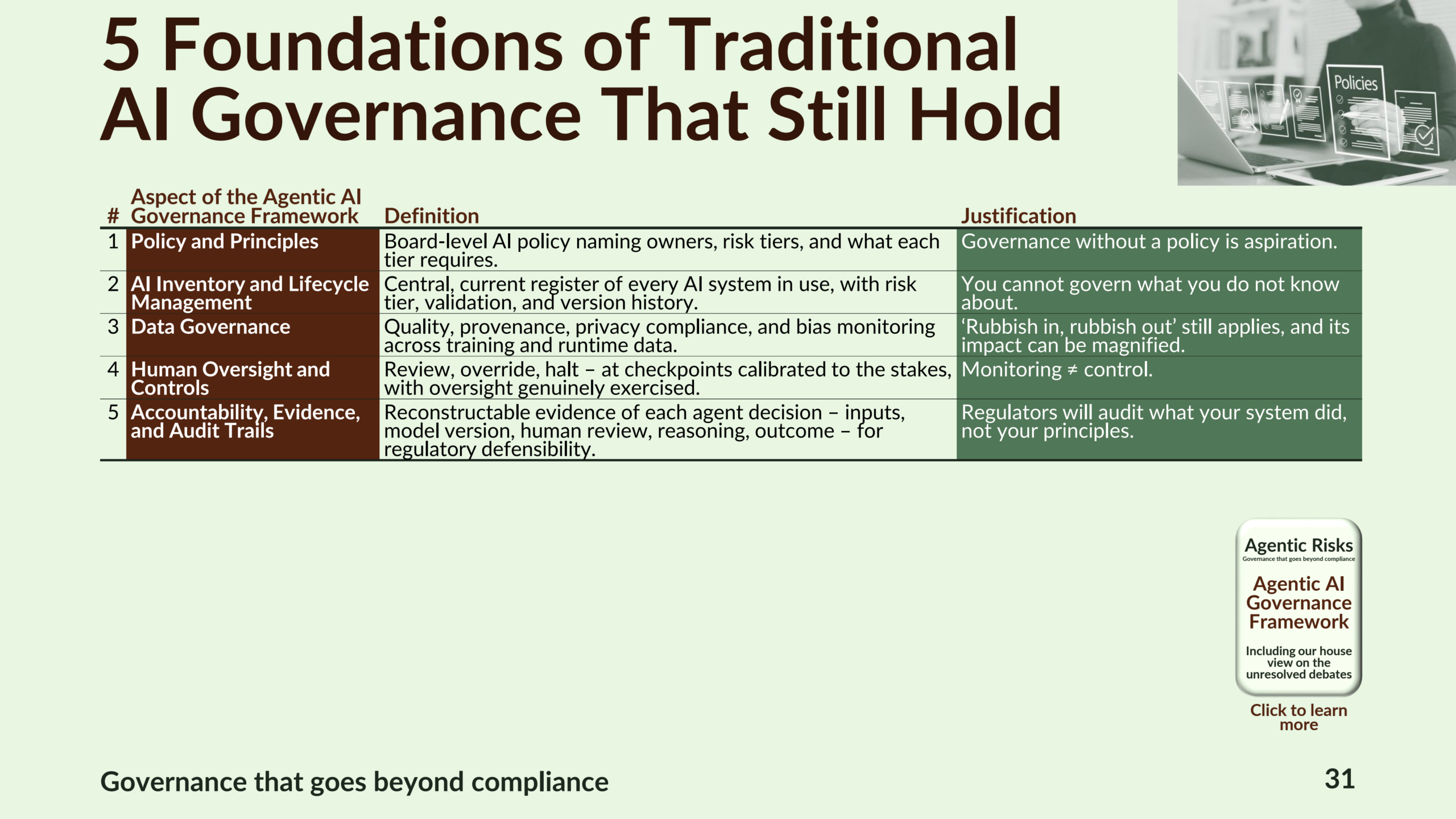
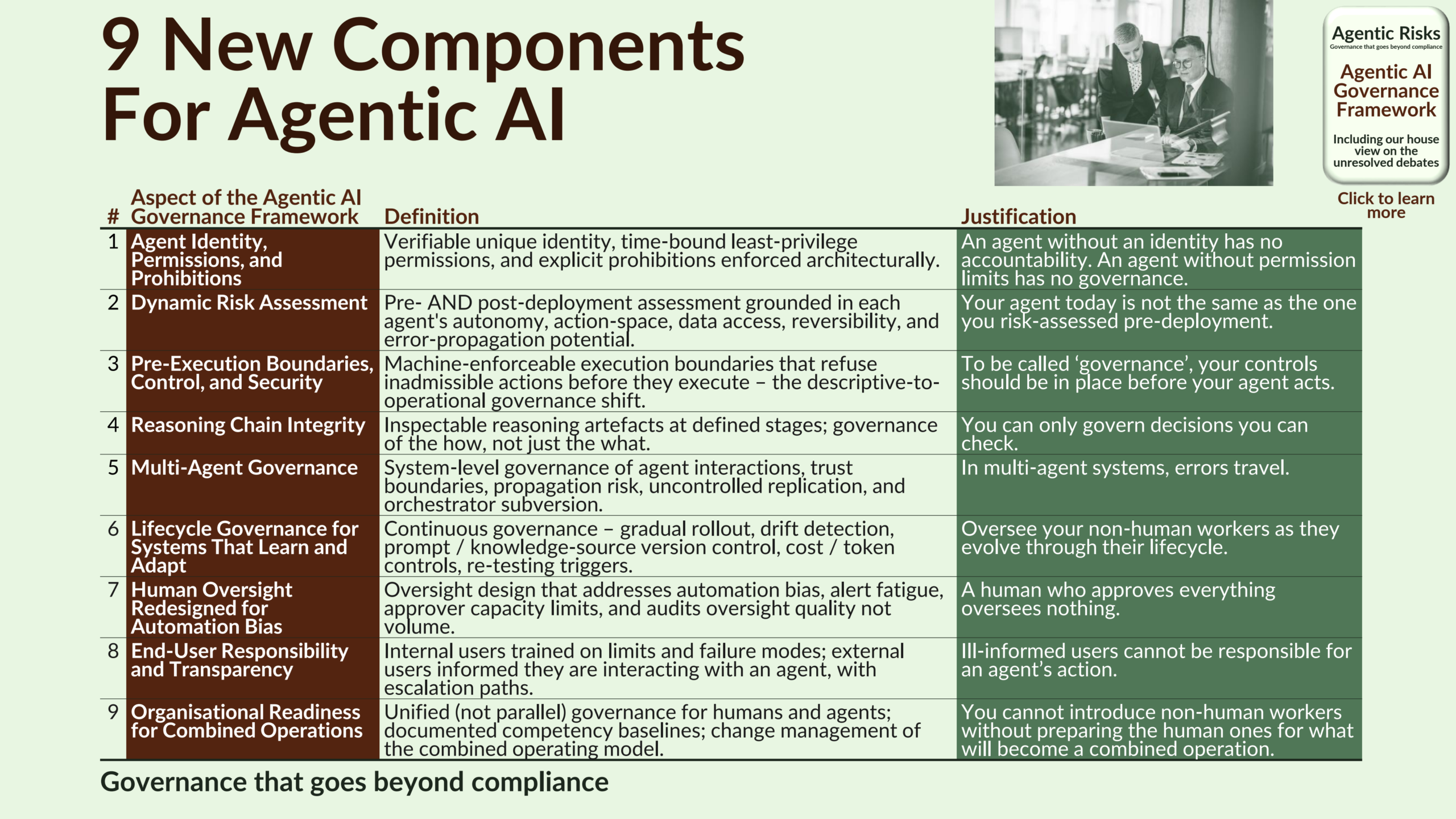
The Agentic AI Governance Framework
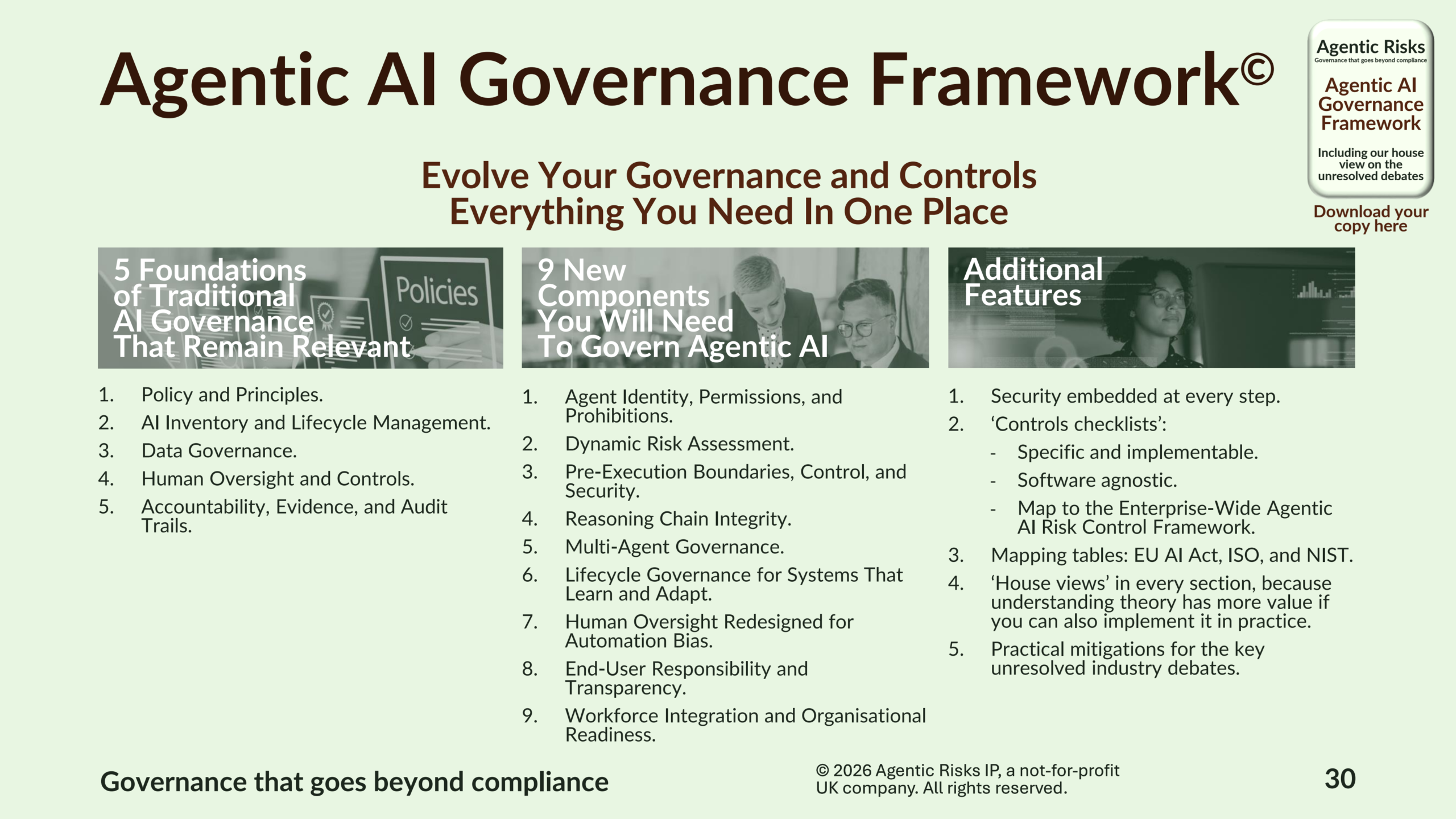
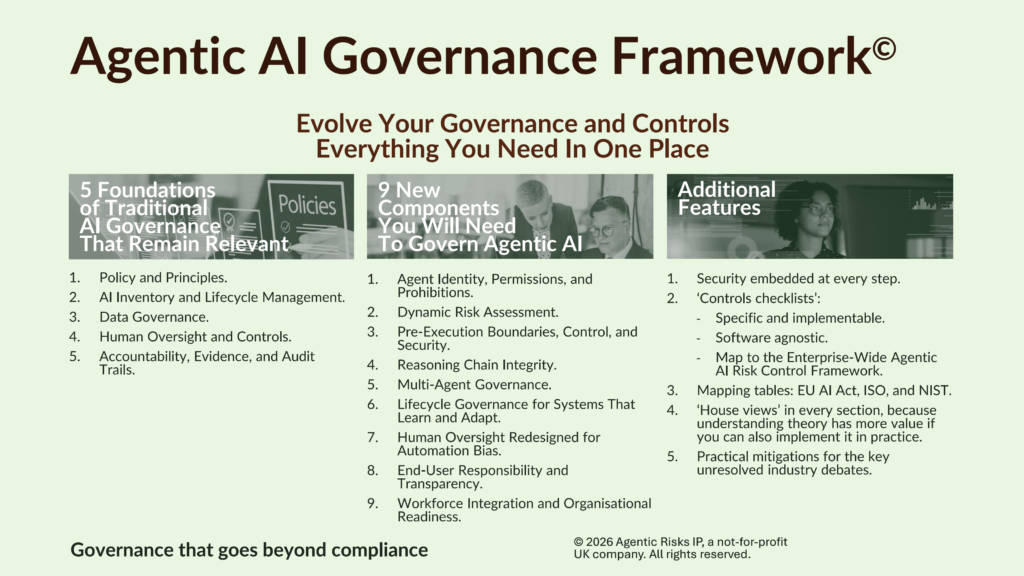
The Agentic AI Governance Framework turns those shifts into an operating structure.
As the image shows, it keeps the foundations of traditional AI governance that still work, adds the capabilities autonomy requires, embeds security throughout and connects each area to implementable controls.
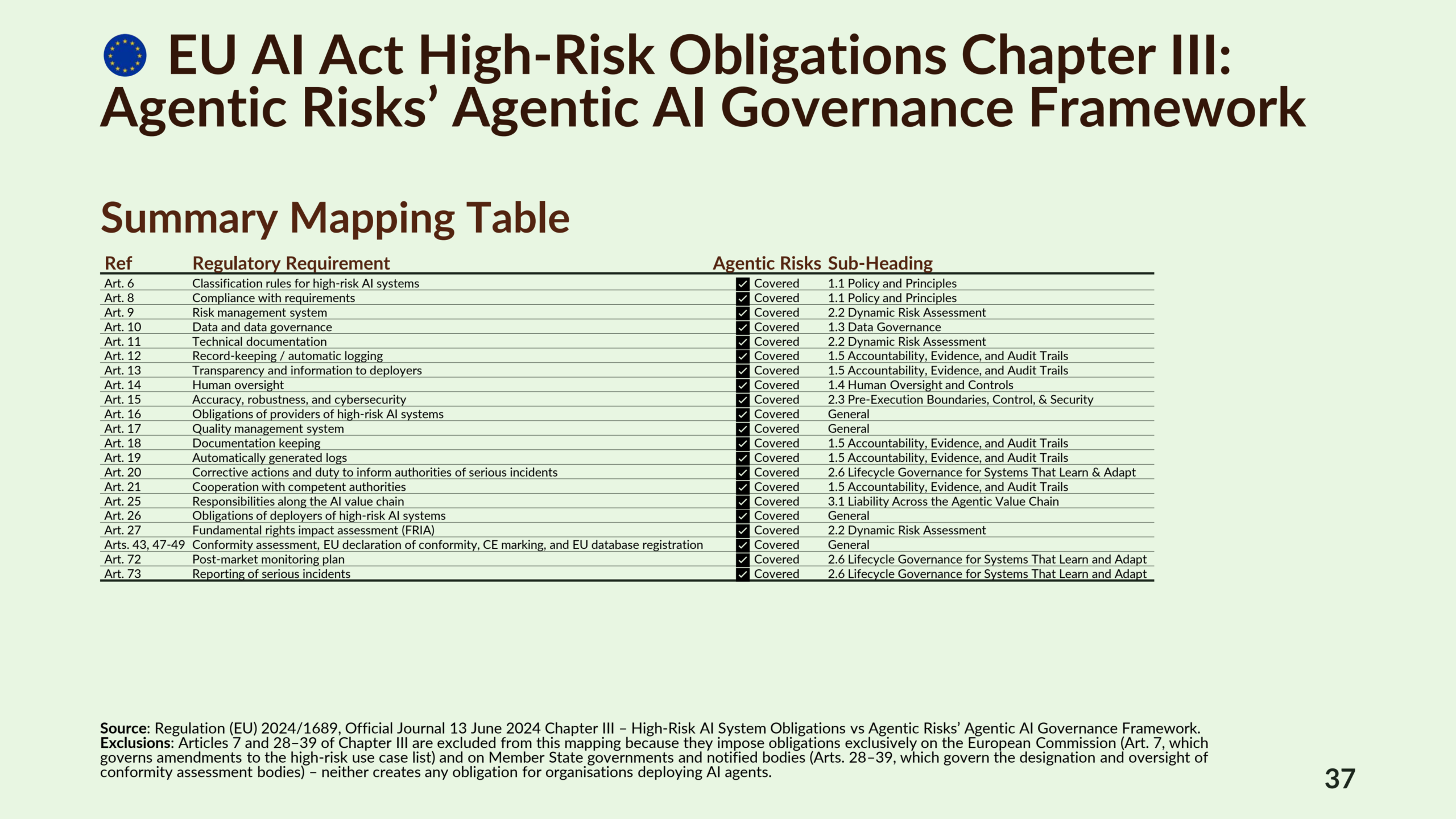
It also maps to ISO 42001, the NIST AI Risk Management Framework and applicable EU AI Act requirements and takes practical positions on unresolved governance questions. The forward mappings show how the Framework supports existing obligations.
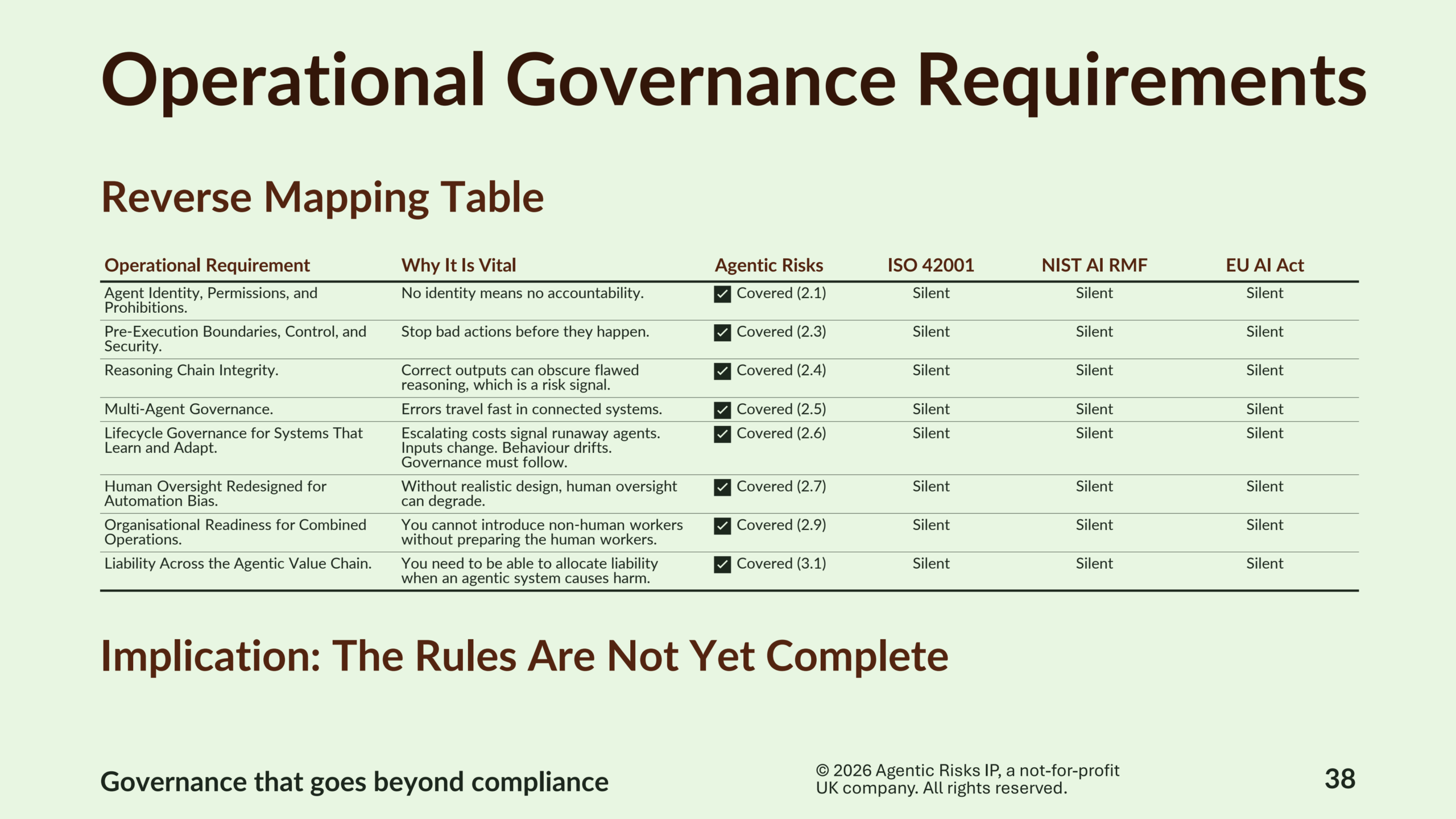
The webinar placed greater emphasis on the reverse mappings, which highlight operational requirements for governing agents that today’s standards and regulations do not cover. It identifies eight areas, including agent identity, pre-execution boundaries, reasoning integrity, multi-agent governance and organisational readiness.
Without these controls, an organisation could simultaneously pass compliance checks and face regulatory scrutiny for inadequate agentic controls.
From Framework to Implementation
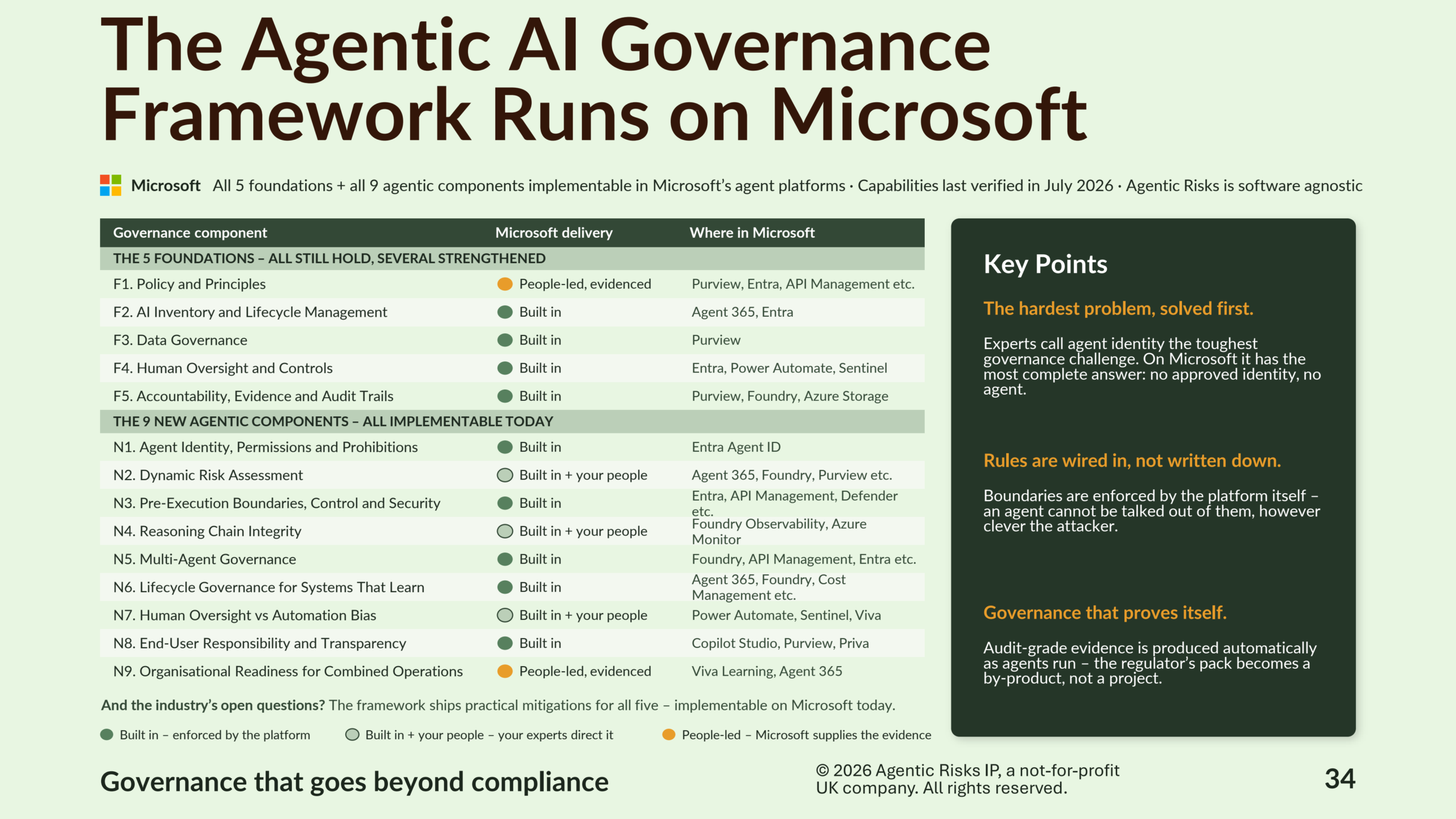
A framework creates value when firms convert it into controls. The webinar uses Microsoft as an example to show that all 14 Framework components can be implemented using current platform capabilities.
An available control becomes governance when a firm configures and operationalises it. Firms still need to set risk tiers and thresholds, configure controls, assign owners and define the evidence each control produces.
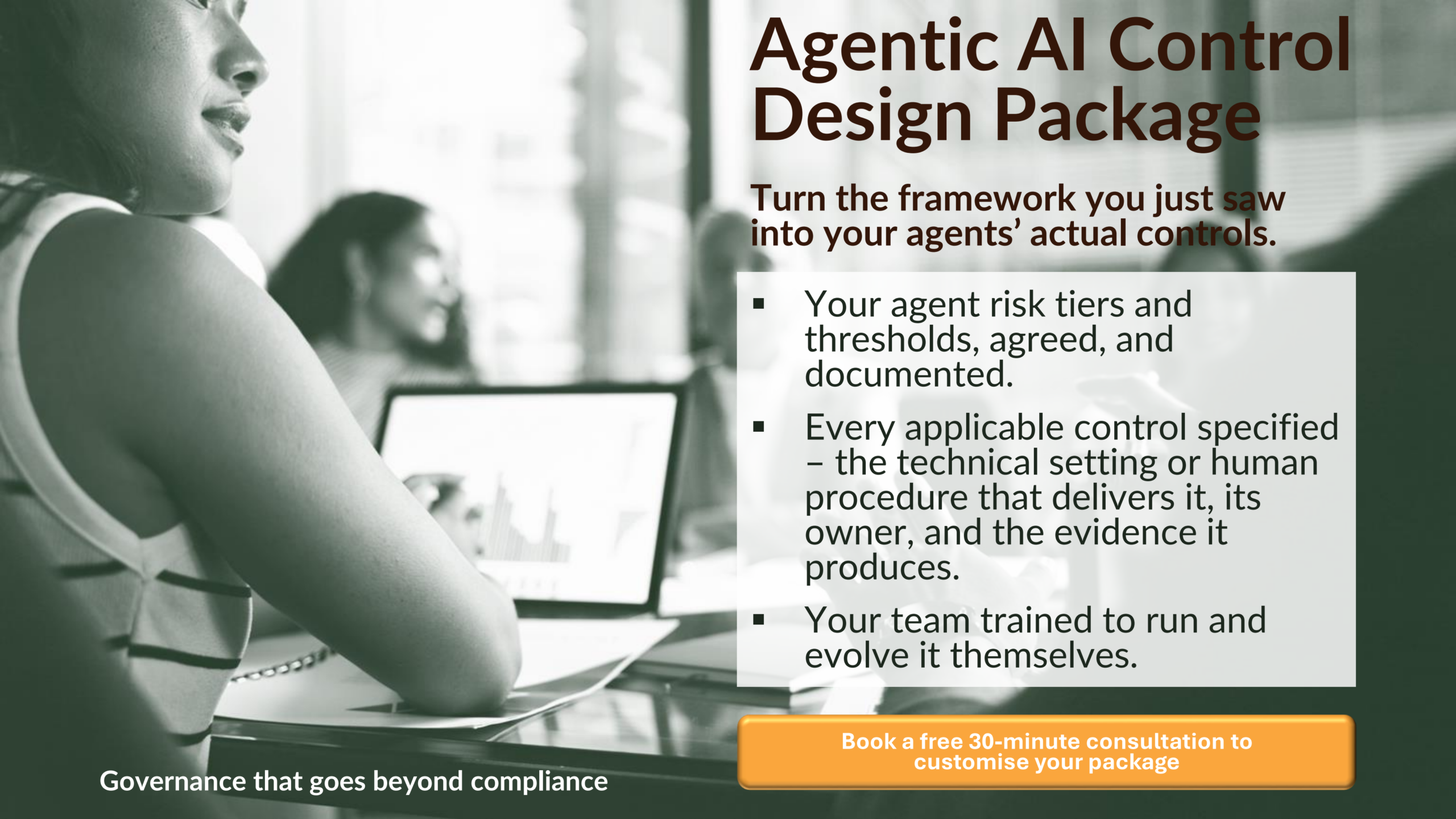
The Agentic AI Control Design Package completes that work with your team. It turns the Framework into agreed risk tiers, thresholds, technical settings, and procedures, with named owners and evidence requirements, then equips your team to run and evolve the control environment. Learn more about the package or book a free 30-minute consultation.
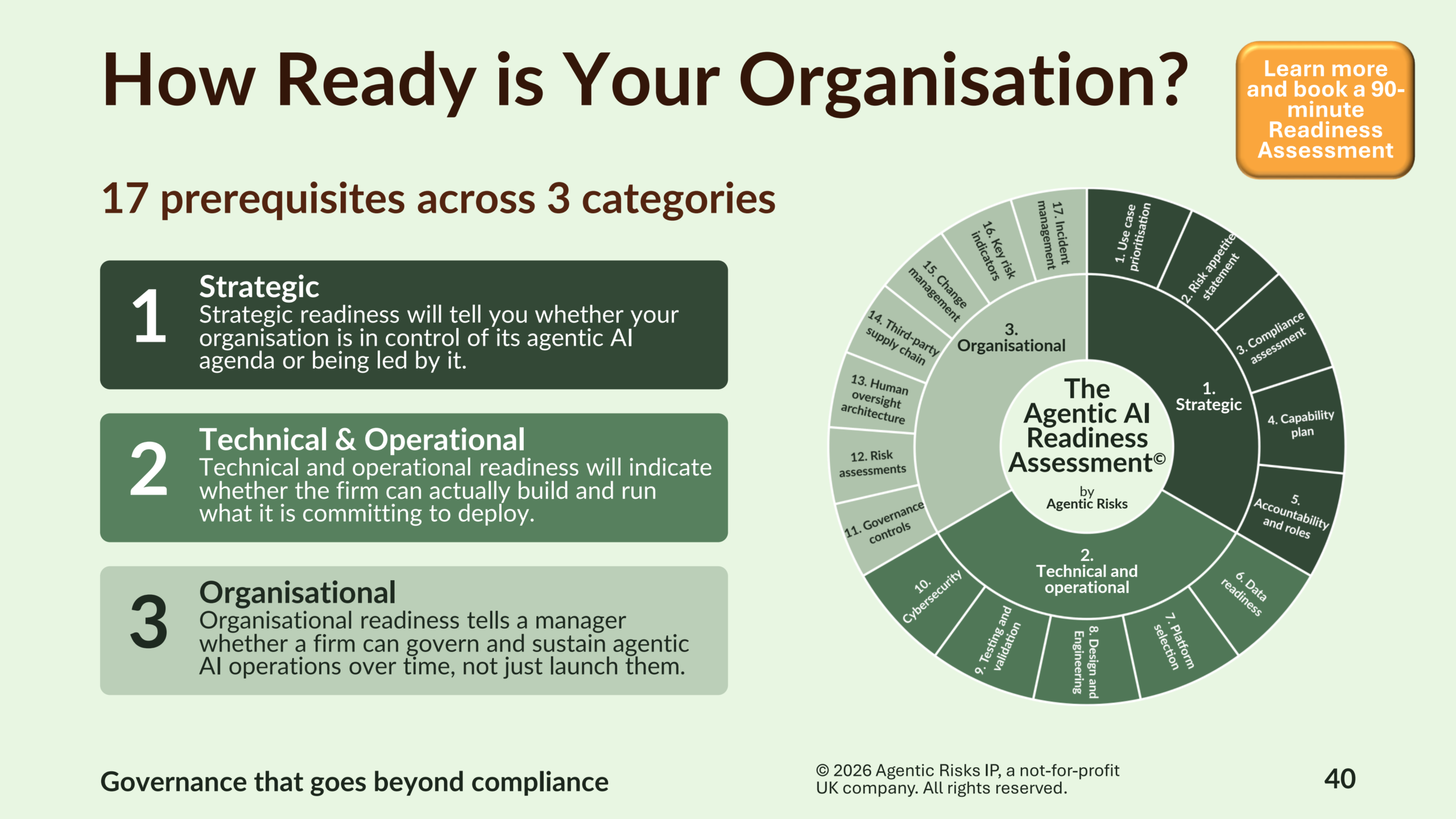
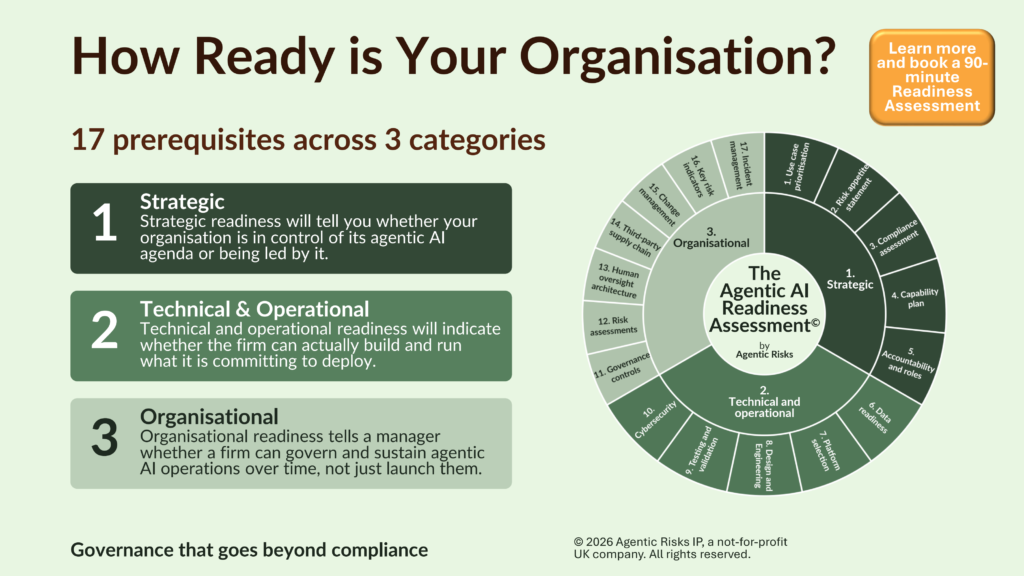
If you first need to establish where you stand, take the Agentic AI Readiness Assessment to evaluate your organisation against 17 prerequisites across three areas: strategic; technical and operational; and organisational readiness. The assessment will map the location and extent of any gaps.
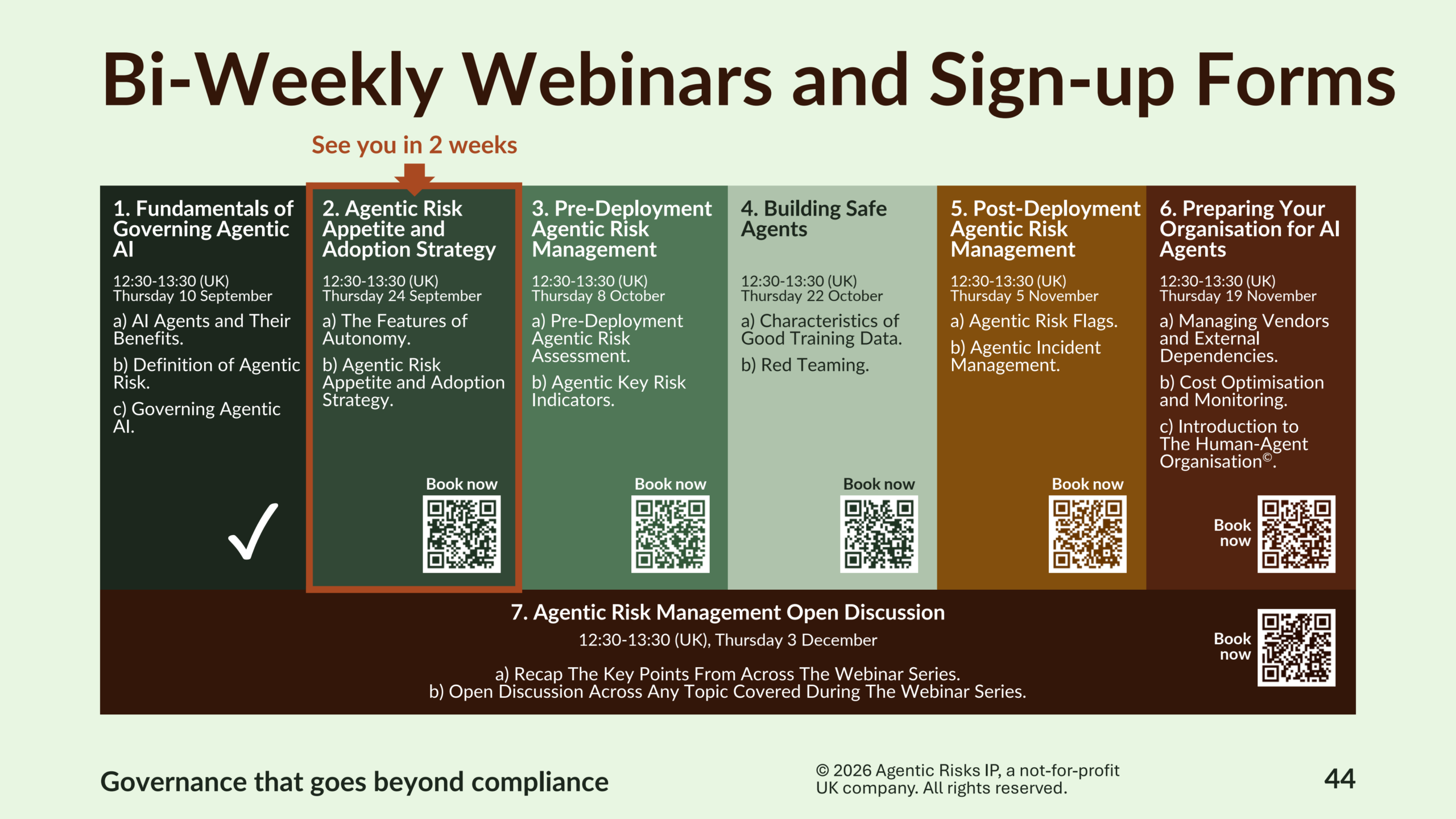
As Webinar 2 will explain, a credible adoption roadmap must be achievable from the organisation’s current state of readiness.
Book Your Place at Future Webinars
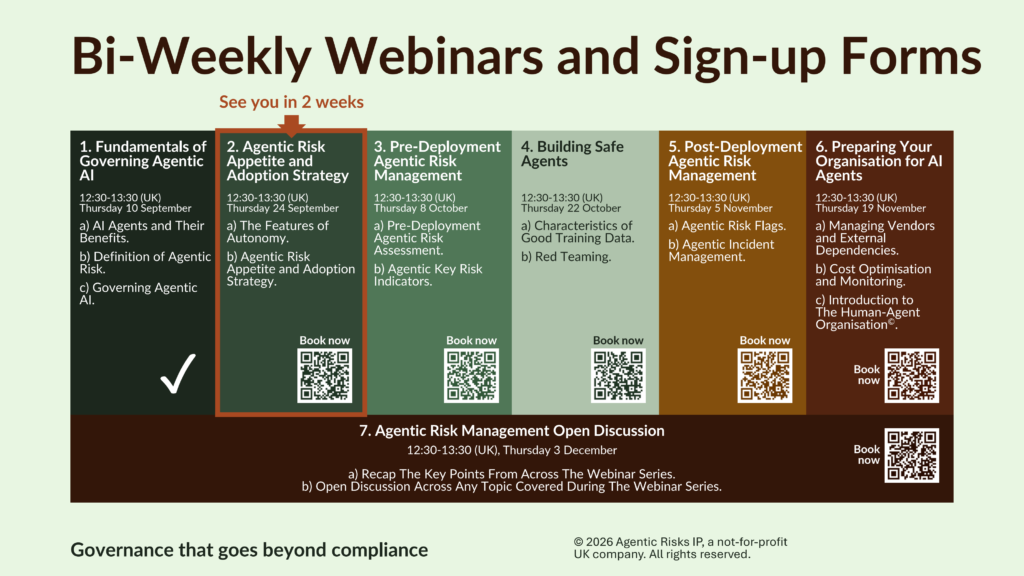
Continue the series with the remaining free Institute of Risk Management webinars on agentic risk management. View and book future webinars.
Frequently Asked Questions
Agentic AI governance is the system of policies, decision rights, controls and evidence that keeps AI agents within authorised boundaries throughout their lifecycle. It extends traditional AI governance to runtime behaviour, where agents can plan and act autonomously.
Generative AI usually creates outputs for human review. Agentic AI can plan how to pursue an objective, choose tools, act across systems and adapt as conditions change. The key distinction is who controls the workflow path.
When agents execute work, humans no longer control the workflow end to end. Behaviour can drift, errors can propagate and decisions can occur at machine speed. Firms therefore need design-phase controls and ongoing oversight matched to delegated autonomy.
Traditional model risk management provides useful disciplines for models, data and outputs. Agentic systems add risks from actions, tools, changing behaviour, multi-agent interactions and runtime decisions, requiring new controls across the agent and its workflow.
No, but regulators are making progress. Current laws and standards provide important foundations, while leaving operational gaps around agent identity, pre-execution boundaries, reasoning integrity, multi-agent governance and scalable human oversight. Agentic AI governance converts external expectations into enforceable runtime controls.
Start by identifying agents, assessing readiness and risk, defining risk tiers and thresholds, and assigning controls, owners and evidence. The Agentic AI Governance Framework provides the structure; the Enterprise-Wide Agentic AI Risk Controls Framework provides detailed risks and controls. Use them to identify your applicable risks and configure appropriate controls in your operating environment.